
Mobility Vision 2040: How Will the Future of Mobility Take Shape?
Mobility is a broad area of change where cities, vehicles, and user habits develop together. The event focused on 2040, which will take place at Divan Kuruçeşme in Istanbul on October 7, 2026, will cover electric vehicles, smart cities, sustainable transport, and new automotive technologies. For this reason, the topic is not only about the automotive industry but also about daily transport habits.
Why Is Mobility Becoming More Important Towards 2040?
Mobility shows that transport is not only about getting from one place to another. As cities grow, travel times, energy use, and traffic become more important. Electric vehicles, shared transport, connected vehicle technologies, and data-based traffic management are therefore becoming more common. On the way to 2040, transport solutions are expected to become lower in emissions, easier to access, and more digital.
This change also reshapes user expectations and the infrastructure needs of cities. It affects many areas, from private car use to public transport. Users are also becoming more aware and flexible when making transport choices.
Which Topics Does the Event Focus On?
Mobility Vision 2040 aims to bring together industry leaders, technology experts, and policy makers from Türkiye and Europe on the same platform. The program includes topics such as the effect of changes in the Chinese automotive industry on Europe, production relations between Türkiye and Europe, software-defined and connected vehicles, AI-based traffic management, and mixed mobility.
The program also covers different parts of the mobility system, including the future of vehicle ownership, new business models, finance, and insurance technologies. In this way, the event aims to discuss both the technological change in the automotive industry and the future of urban transport and mobility services from different points of view.
How Are Electric Vehicles Changing Transport?
Electric vehicles are at the center of the mobility change because of energy efficiency and lower emission goals. The growth of charging networks, improvements in battery technology, and increasing interest in more sustainable options are helping the electric vehicle market grow. However, this change is not only about buying an electric vehicle.
The number of charging stations, city parking plans, fleet management, and energy supply are also part of the process. For users, the main issue is how well an electric vehicle fits into daily life. When planning mobility, driving range, charging time, and route needs should be considered together.
Smart Cities and Data-Based Transport
Mobility becomes more planned and flexible in smart cities through the use of data. When traffic lights, public transport systems, parking data, and travel activity are managed within the same network, city management can become more effective. AI-based traffic management can help balance traffic flow during busy hours.
Real-time data can offer drivers alternative routes and support public transport planning. Mobility solutions have the potential to reduce time lost in city traffic. In such a system, users can plan their journeys in a more predictable way.
What Does Sustainable Transport Include?
Sustainable transport aims to create solutions that have a lower environmental impact, are easy to access, and remain useful over the long term.
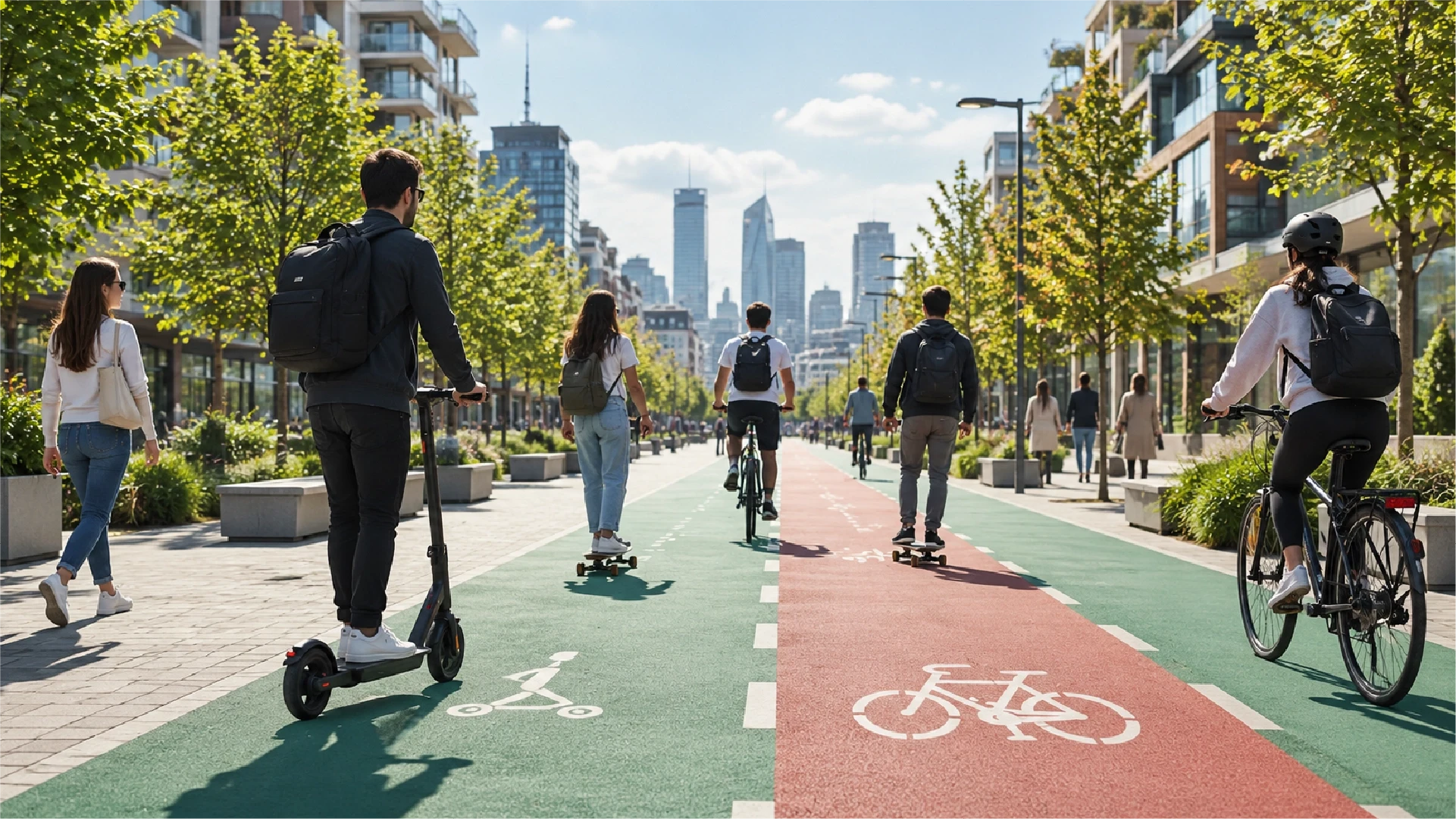
This approach includes electric vehicles, public transport, bicycle lanes, walking areas, shared vehicles, and low-carbon logistics. Mobility looks at these options not as separate choices but as parts that support each other.
For cleaner air, less traffic pressure, and a more balanced transport system in cities, different solutions need to work together. Mobility brings environmental goals and user comfort together in the same plan.
How Is New-Generation Vehicle Ownership Changing?
In the future, users may prefer models that give them access to a vehicle when needed instead of owning one. Subscription systems, short-term rentals, shared vehicles, and fleet-based solutions are all part of this change. Mobility turns vehicle ownership from a fixed decision into a more flexible experience.
Especially in large cities, parking space, maintenance costs, and how often a vehicle is used are becoming more important when making decisions. Company fleets can also be managed more efficiently with this approach. As mobility options increase, users can meet different needs without depending on a single vehicle.
A New Period for the Automotive Industry
The automotive industry is no longer evaluated only through engines, design, and production capacity. Software, connected systems, battery technologies, data security, and user experience are now among the main areas of competition. The mobility change brings together many different players, from vehicle manufacturers to energy companies, within the same system.
As vehicles become more digital, maintenance, software updates, and data management also become more important. For this reason, automotive companies of the future are expected to work more closely with technology companies. For brands that want to remain strong in the mobility market, improving the service experience is as important as improving the product.
Fleet Management and Business Transport
Mobility also directly affects how companies plan their operations. Fleet costs, fuel or charging expenses, maintenance processes, and vehicle usage data are now considered together. For companies, mobility planning is not only about deciding how many vehicles are needed.
Employee travel within the city, customer visits, short-term needs, and sustainability goals are all considered together. Electric and hybrid vehicles are also becoming more common in fleet strategies. For this reason, mobility decisions are becoming a shared topic for finance, human resources, and operations teams. Planning based on the right data can help vehicles be used more efficiently and reduce unnecessary waiting times.
How Can Users Prepare for This Change?
Users can consider cost, environmental impact, ease of access, and flexibility together when choosing transport options. People thinking about using an electric vehicle should review charging points, expected driving range, and their daily routes.
Using different transport options together in the city may also lead to more practical results. As mobility habits change, personal needs should be clearly understood. The right solution is not the same for everyone. Mobility needs can be different even for people living in the same city. Travel distance to work, family life, travel frequency, and budget can all affect the decision. Transport choices can become more efficient when they match the pace of daily life.
Expected Changes in Transport Towards 2040
As 2040 approaches, transport systems are expected to become more connected, more electric, and more data-based. The new transport system will be shaped not only by vehicle models but also by how cities manage those vehicles.
Smart junctions, digital payment systems, low-emission zones, and connected transport apps may affect daily life. For this reason, mobility is a topic that includes municipalities, technology companies, energy providers, and users, as well as the automotive industry. The future of mobility can become more sustainable when different groups work towards the same goal.
New Options for More Flexible Journeys
Changes in mobility allow users to plan their journeys more flexibly. Different vehicle options can be considered for work, holidays, city travel, or short-term needs. Enterprise offerscar rental services that match changing transport needs and help users access the right vehicle when they need it. In this way, mobility can fit more easily into daily life through planned and comfortable journeys. As mobility needs change, flexible access to vehicles becomes more important for both personal and business travel.