What Is Antifreeze? Types, Usage, and Replacement Interval
Your vehicle’s engine operates at high performance throughout all four seasons. One of the most essential fluids that helps maintain this performance is antifreeze. So, what is antifreeze and why is it so important? In simple terms, antifreeze is a special fluid that prevents the engine from freezing in winter or overheating in summer. When used correctly, it extends engine life and enhances driving safety.
Antifreeze acts as a helper that maintains the thermal balance of the engine. It prevents the coolant inside the radiator from boiling in hot weather and from freezing in cold temperatures, ensuring the system runs efficiently under all conditions. This highlights why understanding what antifreeze is matters, as it protects engine components from damage caused by extreme temperature changes.
In short, antifreeze is one of the engine’s most reliable protectors—working not only during winter but throughout the entire year. While many drivers think of antifreeze only in cold months, it is actually effective in all seasons. Those who understand the importance of antifreeze maintain their vehicle’s performance, stabilize fuel consumption, and prevent unexpected failures.
If antifreeze is not monitored or is allowed to drop too low, the engine may overheat or freeze, leading to engine malfunction. This makes it crucial to understand what antifreeze is and to take preventive measures. Antifreeze is not just a maintenance product but a core component of safe, trouble-free driving.
What Does Antifreeze Do?
Just as important as the question “What is antifreeze?” is “What does antifreeze do?” Antifreeze is mixed with water and used in the cooling system, ensuring stable engine operation in both extremely low and extremely high temperatures. It lowers the freezing point of water and raises its boiling point—preventing the engine from freezing in winter and overheating in summer.
Antifreeze is also a chemical that prevents rust and corrosion. Since engine blocks, radiators, and water pumps constantly come into contact with water, oxidation may occur over time. Antifreeze protects these metal components and helps the system operate cleanly and efficiently.
Types of Antifreeze
There are several antifreeze types available on the market, each suitable for different engine needs and vehicle models. They are generally classified based on their chemical composition:
1. Inorganic (IAT) Antifreeze
This is the classic green antifreeze commonly used in older vehicles. It has a shorter lifespan and must be replaced annually.
2. Organic (OAT) Antifreeze
Developed for modern engines, typically orange or red in color. It is long-lasting and offers higher protection for metal surfaces, remaining effective for 4–5 years.
3. Hybrid (HOAT) Antifreeze
A blend of organic and inorganic additives. Usually yellow or pink. It provides strong anti-corrosion protection and long life. Many new-generation vehicles use this type.
Each vehicle has a recommended antifreeze type specified by the manufacturer. Using the wrong type can damage the cooling system, which is why following the owner’s manual is essential.
How to Use Antifreeze
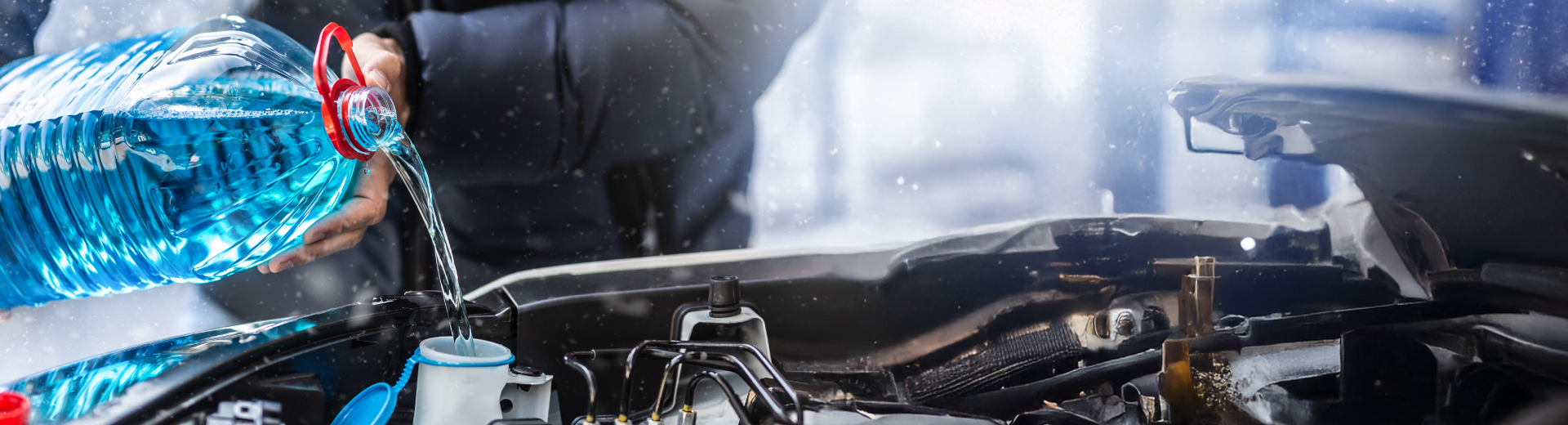
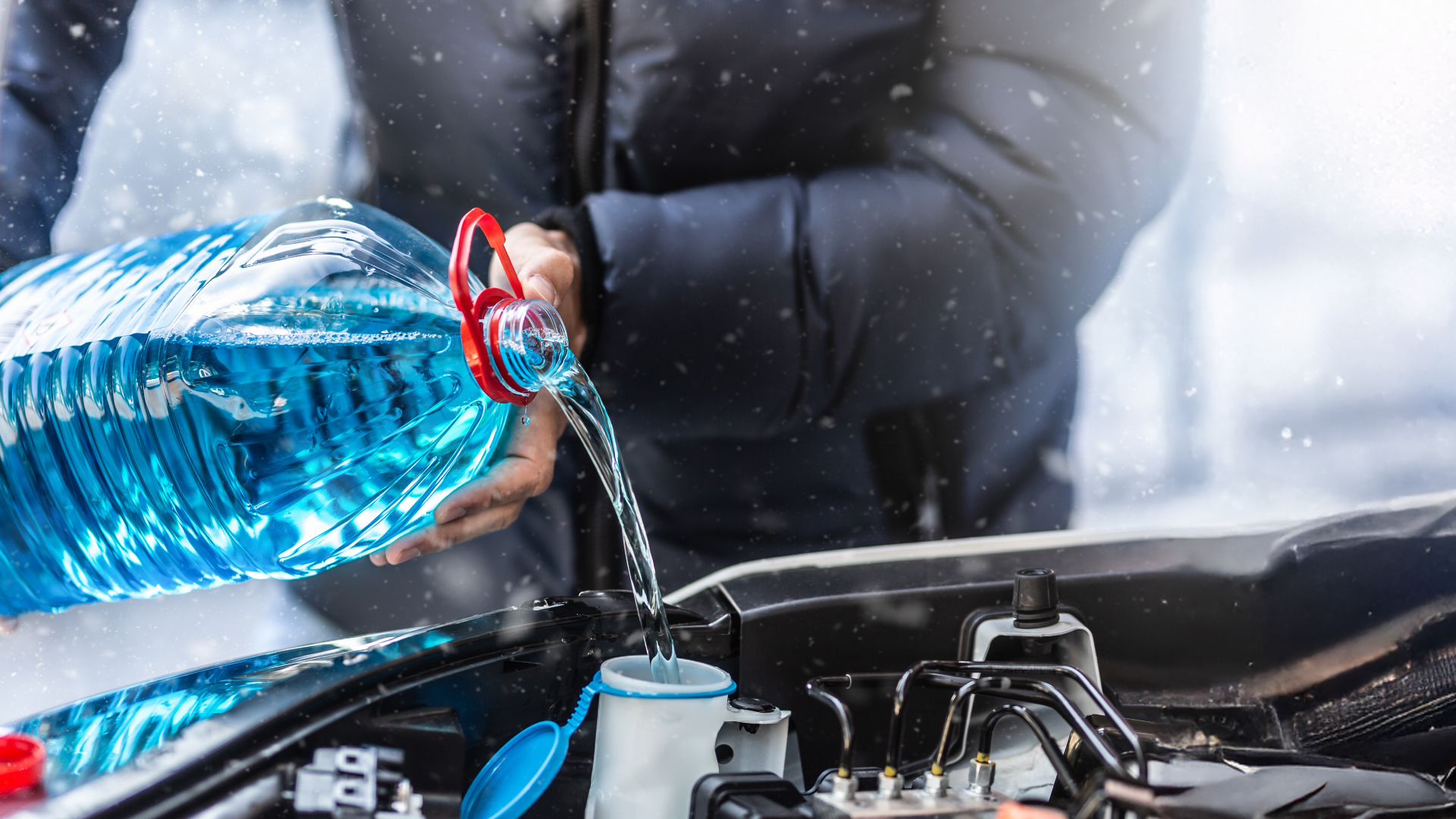
Antifreeze is generally mixed with water before use. The ideal mixture is 50% antifreeze and 50% distilled water, providing protection down to -35°C. Using too much antifreeze reduces cooling efficiency, while using too little increases the risk of freezing.
Important points when adding antifreeze:
The engine must be completely cool.
The radiator cap should be opened slowly to avoid pressurized steam.
Add the prepared mixture gradually.
After filling, run the engine briefly to circulate the fluid.
In many vehicles, antifreeze levels can be checked on the expansion tank via minimum and maximum markings. If the level drops suddenly, a leak may be present and should be inspected.
When Should Antifreeze Be Replaced?
Like engine oil, antifreeze loses its effectiveness over time due to heat, pressure, and chemical reactions. Therefore, it must be replaced periodically.
General replacement intervals:
IAT antifreeze: every 1 year
OAT / HOAT antifreeze: every 3–5 years
However, these intervals may vary depending on driving conditions. Frequent heavy traffic or high-temperature environments require more frequent checks.
During antifreeze replacement, the old fluid should be drained completely and the system flushed. Mixing different antifreeze types can cause chemical reactions, leading to sludge or clogging in the cooling system.
What Happens If Antifreeze Is Low?
If antifreeze runs low, engine temperature can rise rapidly. Overheating may damage gaskets or even crack the engine block. In cold conditions, insufficient antifreeze can cause the coolant to freeze, damaging components such as the water pump.
Drivers who understand the importance of antifreeze regularly check fluid levels and avoid such costly issues. Antifreeze should be checked at every maintenance interval and topped up when necessary.
Which Antifreeze Is Best?
The best antifreeze depends on your vehicle. The most important point is to use a product that meets the manufacturer’s specifications. High-quality antifreeze protects the engine effectively and maintains performance for longer periods.
Drivers in cold regions should choose products with a low freezing point, while those in hot climates should prioritize antifreeze with strong boil-over resistance.
Another important detail: antifreeze is a toxic chemical. It can irritate skin and eyes, so gloves should be used during handling. It is also extremely dangerous for pets. Spills must be cleaned immediately.
Used antifreeze should never be poured into drains or soil. It must be disposed of at service centers or recycling facilities.
Winter Readiness with Enterprise: The Key to Safe Driving
For optimal vehicle performance in cold weather, antifreeze is essential—but so is complete vehicle maintenance. Antifreeze not only prevents freezing but also protects engine health. With regular checks and correct usage, your vehicle will operate smoothly in every season.
Enterprise places great importance on maintenance in its rental fleet. Antifreeze levels, engine oil, and cooling systems are regularly inspected in all vehicles, ensuring a safe, comfortable, and uninterrupted driving experience even in harsh winter conditions. With Enterprise’s professional car rental services, you can enjoy a worry-free journey prepared for every season.