
Carbon Emissions and Their Impact on the Environment
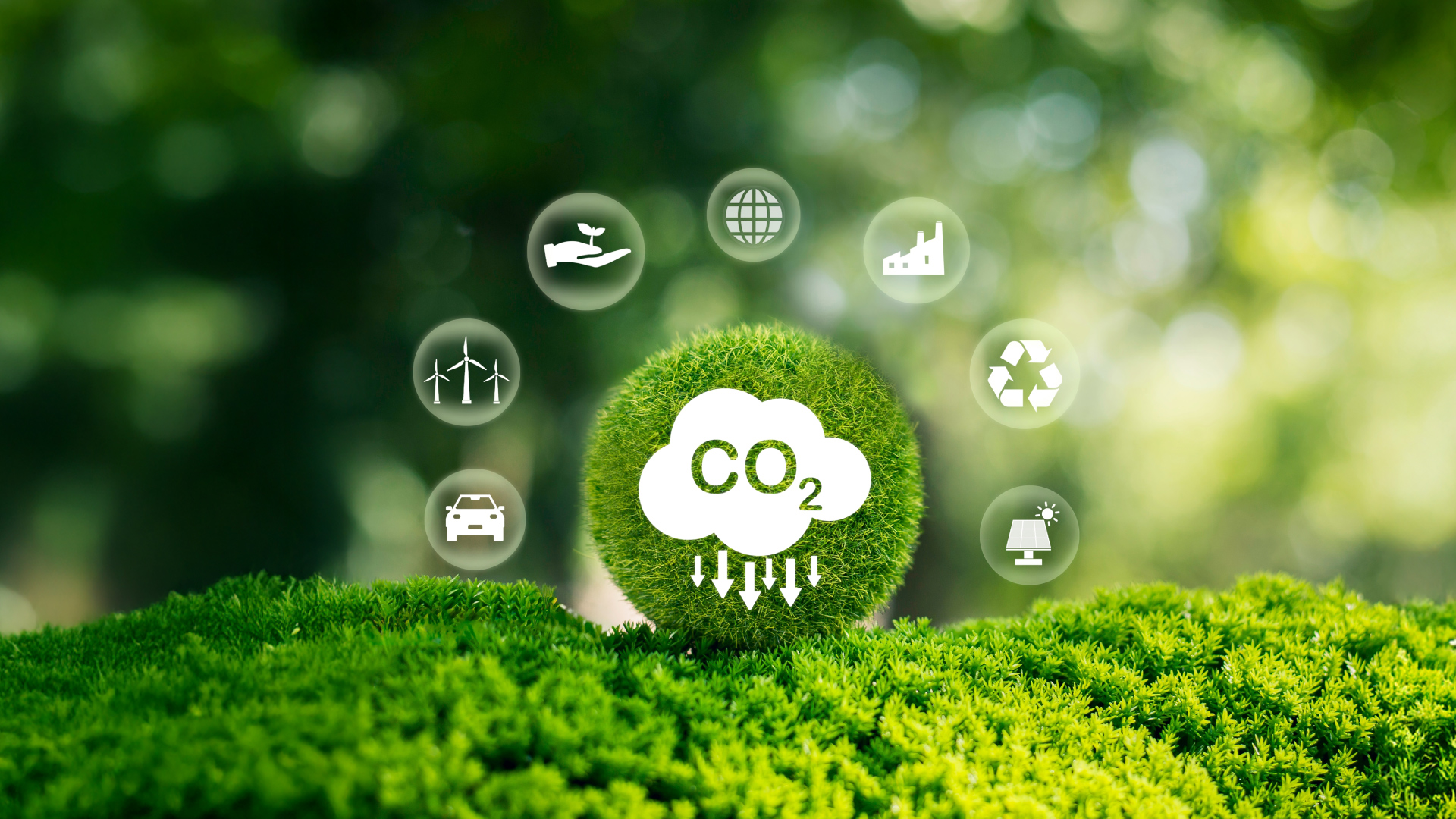
One of the biggest causes of today’s environmental problems is carbon emissions. Carbon emissions are an issue that directly affects not only the future of our planet but also our daily quality of life. Global warming, climate change, and air pollution are all rooted in this problem. In this article, we will examine in detail what carbon emissions are, their effects on nature and human life, and why they must be reduced.
What Are Carbon Emissions?
Carbon emissions refer to the total amount of carbon dioxide (CO₂) and other greenhouse gases released into the atmosphere as a result of burning fossil fuels. In other words, they represent the release of carbon naturally present in resources into the atmosphere. These gases trap heat in the atmosphere, increasing the Earth’s average temperature. Energy production, transportation, industry, agriculture, and individual consumption habits are among the main causes of carbon emissions. Carbon emissions are largely the result of human activities.
In particular, the use of coal and natural gas for electricity generation is one of the largest sources of carbon emissions. Transportation vehicles such as cars and airplanes also increase emission levels due to fossil fuel consumption. Additionally, indirect factors such as deforestation directly affect carbon emissions, as trees play a critical role in absorbing carbon dioxide.
Environmental Effects of Carbon Emissions
Carbon emissions are not limited to harmful gases released into the air; their environmental impacts are extensive. Increased carbon dioxide levels in the atmosphere create a greenhouse effect, raising the Earth’s temperature and causing climate change. As a result of climate change:
Glaciers melt
Sea levels rise
Extreme weather events become more frequent (droughts, floods, storms)
Agricultural productivity decreases
All of these effects threaten not only nature but also societal lifestyles and economic systems.
Climate Change and Human Health
Extreme climate conditions pose serious risks not only to the environment but also to human health. Rising temperatures can trigger cardiovascular and respiratory diseases. Children, the elderly, and individuals with chronic illnesses are particularly vulnerable.
In addition, harmful particles caused by air pollution increase respiratory diseases such as asthma. Heatwaves can directly affect mortality rates. Carbon emissions can also indirectly impact drinking water resources, leading to water scarcity.
The Importance of Reducing Carbon Emissions
Reducing carbon emissions is one of the fundamental ways to protect the planet’s livability. Individuals, companies, and governments can take various measures in this regard. Reducing emissions not only protects nature but also provides economic, social, and individual benefits. Key measures include:
Transitioning to renewable energy sources
Increasing the use of public transportation
Constructing energy-efficient buildings
Implementing recycling practices
Promoting sustainable agricultural methods
These measures help reduce carbon footprints and lower energy costs, while also enabling cleaner air, healthier living spaces, and more sustainable cities.
Individual Actions to Reduce Carbon Emissions
Every individual plays an important role in this process. Small but effective steps can significantly reduce carbon emissions. For example:
Choosing walking or cycling instead of driving for short distances
Using energy-efficient light bulbs
Completely turning off electronic devices when not in use
Adopting recycling habits
Choosing local and seasonal foods
Individual behavior changes form the foundation of large-scale transformations. As awareness of carbon reduction grows, its social impact becomes increasingly visible.
Carbon Emissions and Economic Transformation
Since the Industrial Revolution, economies have largely developed based on fossil fuels. Today, however, this structure is changing. Transitioning to a green economy benefits both the environment and economic systems. Clean energy technologies create new employment opportunities and offer lower long-term costs.
Many countries have begun implementing policies such as carbon taxes or carbon trading systems to reduce emissions. These practices encourage companies to invest in environmentally friendly technologies.
Measuring and Monitoring Carbon Emissions
To reduce carbon emissions, it is first necessary to measure them. A carbon footprint represents the total amount of carbon dioxide released into the atmosphere by an individual or organization. This footprint is influenced by many factors, from daily habits to travel preferences.
Companies measure their carbon footprints to set sustainability goals. In line with these goals, energy consumption is reduced, production processes are optimized, and environmentally friendly materials are preferred. This approach not only fulfills environmental responsibility but also strengthens brand reputation.
Global Agreements to Combat Carbon Emissions
Various international agreements have been established worldwide to reduce carbon emissions. One of the most important is the Paris Agreement, signed in 2015, which aims to limit global temperature increases to 1.5°C.
Another example is the Kyoto Protocol, which targets emission reductions in developed countries. Both agreements play a critical role in controlling global carbon emissions.
Corporate Responsibility and Carbon Emissions
Not only individuals but also corporations have major responsibilities in reducing carbon emissions. Manufacturing companies, in particular, are obliged to control and reduce greenhouse gas emissions resulting from their operations. Corporate carbon management includes measuring, reporting, and planning emission reduction strategies.
Many companies publish sustainability reports outlining their emission targets and the steps taken to achieve them. Using renewable energy sources such as solar power, reducing waste, and optimizing production processes are among these steps.
In addition, environmentally conscious consumers increasingly prefer eco-friendly brands, putting pressure on companies to adopt sustainable practices. Sustainability-focused business models enhance long-term competitiveness while reducing the environmental burden on the planet.
Every corporate-level action can significantly impact total carbon emissions. Therefore, adopting sustainable practices is not only an environmental responsibility but also an economic necessity. Environmentally responsible companies are also investing in the future.
Steps Toward a Sustainable Future
Combating carbon emissions means securing not only today but also tomorrow. This requires collective action from individuals, corporations, and governments. Conscious consumption, support for eco-friendly technologies, and nature-respecting policies are essential.
Sustainable living requires more than technological change—it also demands a reassessment of our lifestyles. A mindset that values harmony with nature, efficient resource use, and social benefit must be promoted.
Sustainable Transportation Is Possible with Enterprise
Transportation is one of the largest sources of carbon emissions, making eco-friendly mobility and logistics alternatives increasingly important. Enterprise contributes significantly through its environmentally friendly vehicle fleet and sustainable transportation solutions. Electric and hybrid vehicle options help reduce carbon emissions while improving energy efficiency.
Through Enterprise car rental services, users can meet their short- and long-term mobility needs in an environmentally responsible way. Offering innovative and nature-friendly solutions, Enterprise supports the foundation of sustainable urban living.