
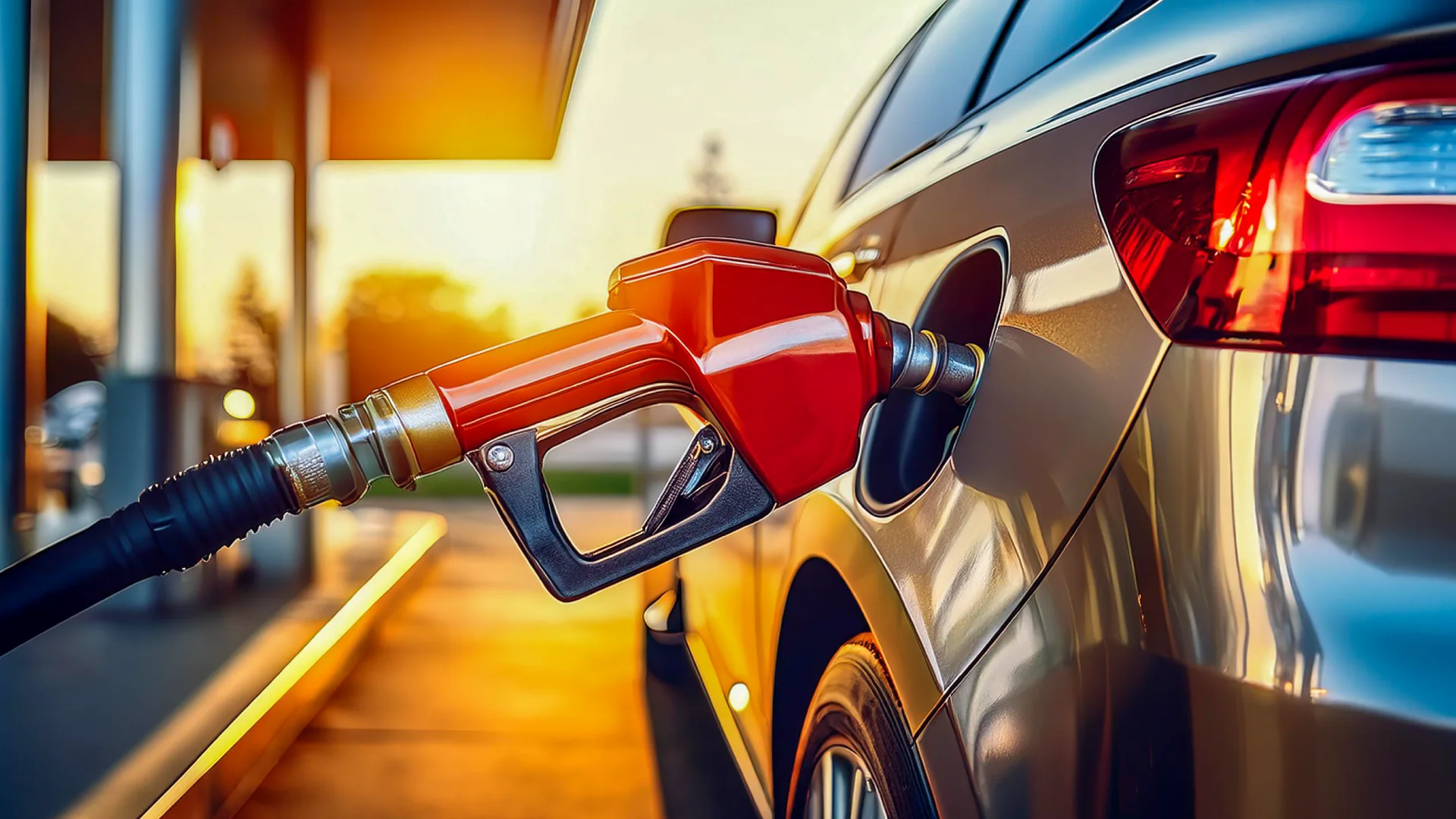
What Is Diesel Fuel (Gas Oil)? Is Motorin the Same as Diesel?
When refueling a vehicle, most drivers glance quickly at the labels on the pump and make their choice. However, fuel selection is one of the fundamental factors that shape a vehicle’s character. Therefore, the question “What is motorin?” is not merely a technical curiosity but also the first step toward developing proper driving habits. For diesel vehicle owners, motorin is a quietly present yet highly influential element in everyday life. From traction and fuel consumption to engine noise and maintenance frequency, many details are directly related to diesel fuel.
In everyday speech, it may be called “mazot” or “diesel.” Understanding these terms correctly helps you make more informed decisions both for your vehicle and your budget.
What Does Motorin Mean and Where Does It Come From?
In simple terms, motorin is a liquid fossil fuel that produces energy through combustion in diesel engines. It is derived from crude oil and becomes usable in vehicles after refining. Unlike gasoline, ignition occurs through compression rather than a spark plug.
This difference requires motorin to be denser and slower to ignite. Therefore, the question “What is motorin?” cannot be answered merely as “a type of fuel”; it is a concept that defines the entire operating system of a diesel engine.
Is Motorin Diesel or Mazot?
One of the most confusing topics for drivers is the exact relationship between diesel and motorin. Questions like “Is motorin mazot, or is it diesel?” are common. In daily language, the terms motorin and mazot are often used interchangeably.
Technically, however, diesel refers to the engine type, while motorin is the fuel used in diesel engines. When a vehicle is called “diesel,” it describes how the engine works; when “motorin” is mentioned, it refers to the fuel in the tank. Thus, although the terms are closely related in practice, they have different technical meanings.
A similar confusion exists around the word “mazot.” In Türkiye, motorin is frequently called mazot, leading many people to treat them as synonyms. In technical terminology, the correct term is motorin. Nevertheless, a driver who says “I bought mazot” is still referring to motorin. The difference comes from usage habits, not from the fuel itself.
Key Differences Between Motorin and Gasoline
The difference between motorin and gasoline is not limited to price. Another defining characteristic of motorin is its higher density. It typically produces more torque and offers lower fuel consumption. Gasoline engines, on the other hand, operate more quietly and at higher revolutions.
These differences also shape driving style. Drivers who prefer steady, powerful long-distance travel often choose diesel vehicles, while those seeking agility in city driving tend to favor gasoline engines. Understanding what motorin is plays a key role in recognizing the character of each fuel type.
The Effect of Cold Weather on Motorin
Cold weather creates a situation familiar to diesel vehicle owners: difficult starting, sluggish initial movement, or reduced fuel flow. In such conditions, motorin becomes thicker and less fluid at low temperatures, which can make circulation in the fuel system harder.
For this reason, fuels used in cold climates are produced with lower freezing points. Known as winter diesel, these fuels are seasonally adapted versions of motorin designed to perform reliably in cold conditions.
Effects on Vehicles That Sit Idle for Long Periods
If a vehicle remains parked for an extended time, fuel-related risks can arise. Motorin is more prone to forming sediment and absorbing moisture during long storage. Vehicles left with low fuel levels for long periods may develop condensation inside the tank, leading to water accumulation that can damage the fuel system.
For drivers who do not use their vehicles frequently, this highlights the importance of running the engine periodically and keeping the fuel tank from dropping too low. Motorin requires attention even when the vehicle is not in use.
How Driving Style Affects Motorin Consumption
Two drivers using the same vehicle can experience very different fuel consumption levels. Motorin delivers high torque at low engine speeds, making it highly efficient when driven calmly and steadily. However, sudden acceleration, unnecessary high revs, and aggressive driving eliminate this efficiency advantage.
The perception that diesel vehicles “consume less fuel” holds true only with proper driving habits. In this sense, motorin is not just a fuel but also a performance factor shaped by the driver’s behavior.
Why Motorin Density Matters
Fuel density is one of the factors that determines performance. Density refers to how much mass is contained within a given volume. Compared with gasoline, motorin has a denser structure, which allows it to produce more energy during combustion and enables diesel engines to achieve high torque levels.
However, balance is crucial. If density is too low, efficiency decreases; if too high, engine operation may be negatively affected. High-quality motorin stands out not only for its energy output but also for maintaining this balance within optimal limits.
How to Recognize High-Quality Motorin
Drivers familiar with motorin can usually detect fuel quality quickly. If the engine runs more quietly after refueling, traction feels stable, and no abnormal smoke appears from the exhaust, the fuel is likely suitable. Low-quality motorin, by contrast, may cause injector clogging, irregular engine operation, and increased consumption.
Thus, the question “Which motorin should I choose?” is just as important as “What is motorin?”
Why Motorin Has Wide Usage Areas
Motorin is used not only in passenger cars but also in trucks, buses, agricultural machinery, and construction equipment. It offers a combination of high torque and durability, making it ideal for commercial vehicles and heavy-duty applications that require long operating hours and strong performance.
Understanding Motorin Means Understanding Your Vehicle
A driver who understands motorin gains not only fuel knowledge but also a stronger vehicle usage culture. Choosing the right diesel fuel leads to smoother driving, longer engine life, and more predictable costs.
Every informed fuel choice strengthens the relationship you build with your vehicle.
Diesel Vehicle Experience with Enterprise
With its extensive fleet of diesel vehicles, Enterprise offers a safe driving experience with well-maintained cars and healthy fuel systems. For those planning long journeys or intensive use, Enterprise’s diesel vehicles combine fuel economy with strong performance. Thanks to Enterprise’s rental services, you can enjoy all the advantages of a diesel vehicle without worrying about maintenance or fuel compatibility.