What is ESP and what does it do?
Traveling safely in traffic is crucial for both drivers and passengers. ESP, one of the advanced safety systems found in modern vehicles, helps prevent loss of control while driving. The question of what ESP is is frequently asked, especially by new car owners.
ESP, also known as electronic stability program, is a system that prevents the vehicle from skidding and aims to maintain stability. It reduces the risk of accidents by preventing the vehicle from drifting off course during sudden maneuvers, slippery surfaces, or sharp turns. This technology, which takes vehicle safety to the next level, plays a vital role, especially in challenging road conditions.
How does the ESP system work?
ESP continuously monitors roadholding and driving stability through a series of sensors throughout the vehicle. These sensors monitor the steering angle, wheel speeds, lateral vehicle movement, and steering angle. If a discrepancy between the vehicle's direction and the driver's intended direction is detected, the system automatically activates.
When ESP is active, it applies the brakes to specific wheels to help the vehicle return to the road. It also helps control skidding by reducing engine torque. These processes occur within milliseconds, without the driver even noticing.
The Importance of ESP in Vehicles
Vehicles can be prone to skidding, especially on curves or with sudden steering wheel movements. Such situations can cause the vehicle to lose control and lead to serious accidents. This is where the importance of ESP in vehicles becomes clear. This system not only prevents skidding but also ensures that the vehicle continues in the direction determined by the driver.
ESP applies the brakes to only one wheel when necessary, pulling the vehicle in the desired direction. This intervention is automatically activated when the driver loses directional control and helps the vehicle regain balance. This prevents the vehicle from veering off the road and prevents potential collisions. In this respect, ESP is an active, not passive, safety measure that directly impacts driving safety.
ESP works in integration with other vehicle safety systems. Its coordination with ABS (Anti-lock Braking System) and TCS (Traction Control System) allows the system to operate more effectively. ABS prevents the wheels from locking during sudden braking, preventing the vehicle from skidding and maintaining steering control. TCS, on the other hand, prevents the wheels from spinning when the accelerator is pressed too hard or when grip is low. Thanks to these two systems, the vehicle maintains its grip on the ground and directional control.
In what situations does ESP come into play?
Although active during normal driving, ESP only intervenes when the vehicle is at risk of losing stability. These situations include:
● The rear of the vehicle begins to skid as a result of sudden steering movements
● Loss of control after braking on slippery surfaces
● Vehicle understeer during high speed cornering
● Sudden maneuvers in an emergency
The system analyzes every movement made by the driver and takes action when there is a difference between the vehicle's actual direction of travel and the driver's desired direction.
What is the difference between ESP and ABS?
Many people confuse ESP with ABS. While both are safety-enhancing systems, their functions and intervention methods differ. ABS, or anti-lock braking system, prevents the wheels from locking during braking. Thanks to this system, even if the driver brakes hard, the wheels continue to turn, and the vehicle maintains its ability to steer. Especially in situations where sudden braking is required, ABS prevents the vehicle from skidding and losing control, significantly reducing the risk of accidents.
ESP, on the other hand, is a more comprehensive system that maintains the vehicle's overall stability. If the vehicle begins to skid while driving, it not only brakes but also controls its direction. For example, if the rear of the vehicle begins to slide outward on a corner, ESP detects this skid and applies the brakes to the opposite wheel, bringing the vehicle back into line. It also limits engine power, preventing further skidding.
Therefore, ESP is a more advanced and comprehensive safety layer built upon ABS. While ABS only activates during braking, ESP can be active in any situation that threatens vehicle stability. ESP's intervention is particularly crucial during high-speed maneuvers, sudden lane changes, or loss of control on slippery surfaces. While ABS provides a basic level of safety, ESP remains active throughout the entire journey, constantly monitoring the vehicle's direction, stability, and handling.
In today's cars, these two systems are often offered together. However, knowing what each system does helps drivers more accurately assess both their vehicle and road conditions. The benefits of ESP are particularly noticeable in winter conditions or when driving on winding roads. This difference can be the difference between reaching your destination safely and facing a potential accident.
What are the advantages of ESP?
The ESP system offers drivers many benefits. Among the most notable are:
● Reduces the risk of losing control of the vehicle
● Helps prevent most accidents
● Provides more stable driving on curves
● Provides safe driving on slippery and difficult surfaces
● Maintains vehicle stability during sudden maneuvers
These benefits are particularly noticeable on intercity roads, in mountainous regions, or during winter. The safety offered by ESP is an important support for both new and experienced drivers.
How to detect ESP failure?
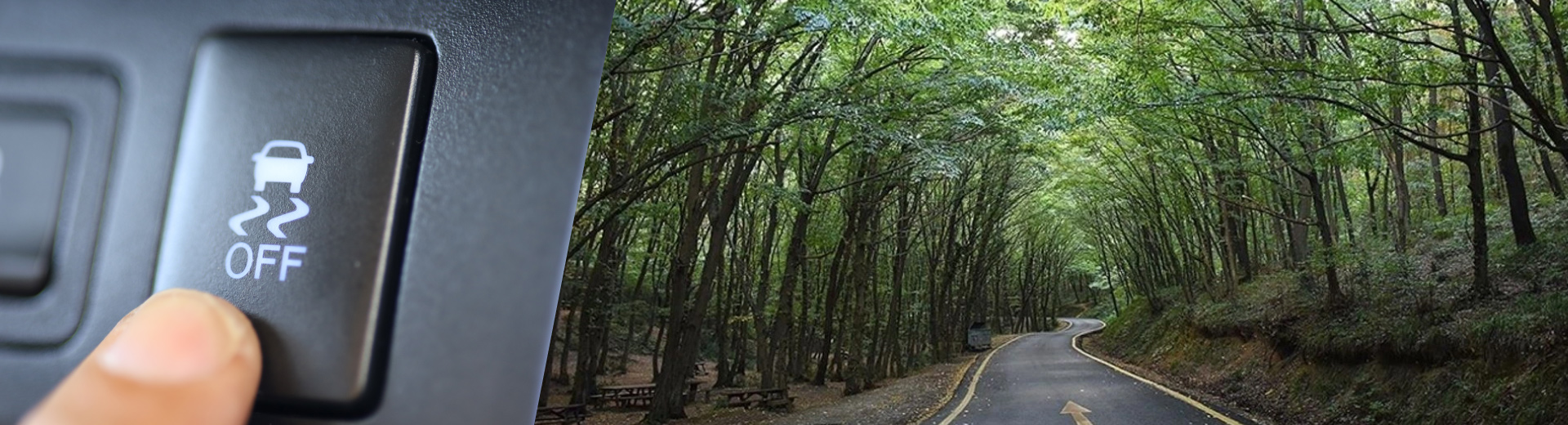
The symptoms of ESP malfunction are as important as the specifics of the vehicle. If the ESP symbol is constantly illuminated on the instrument panel, this indicates that the system is disabled. Furthermore, if the vehicle is drifting abnormally on corners or slippery roads, ESP may not be functioning properly.
In some vehicles, this system can be manually deactivated. However, this is only recommended for special driving conditions (such as driving with snow chains). In daily driving, keeping ESP activated is crucial for your safety.
If an ESP fault is detected, the system may need to be recalibrated or faulty sensors replaced. Such procedures must be performed by an authorized service center.
Which vehicles have ESP?
ESP comes standard in the vast majority of new vehicles sold today. It has been mandatory in all new vehicles in the European Union since 2014. Similarly, in Türkiye, this system is now available in all passenger cars produced in recent years.
Older models may not have ESP. However, some brands offer this feature in higher-end trims. You can determine if your vehicle has this system by checking your owner's manual or by looking for the ESP symbol on the dashboard.
ESP and driving habits
No matter how advanced ESP technology is, the fundamental requirement for safe driving is always vigilance. ESP is merely a supplementary system. Observing speed limits, driving in favorable weather conditions, and avoiding sudden maneuvers should always be a priority.
As long as you maintain control, the ESP system supports you by making necessary interventions. However, its activation does not absolve you of driving responsibility.
ESP is one of the most important safety components among vehicle technologies. It prevents drivers from losing control during potential skidding and helps prevent serious accidents. For anyone seeking answers to questions like what ESP is in vehicles and what it does, learning the details of this system should be a part of safe driving.
For customers who prioritize driving safety, Enterprise includes all safety systems, including ESP, in its new-generation vehicles. If you're looking for a rental car that fits your needs, explore Enterprise's extensive fleet.