
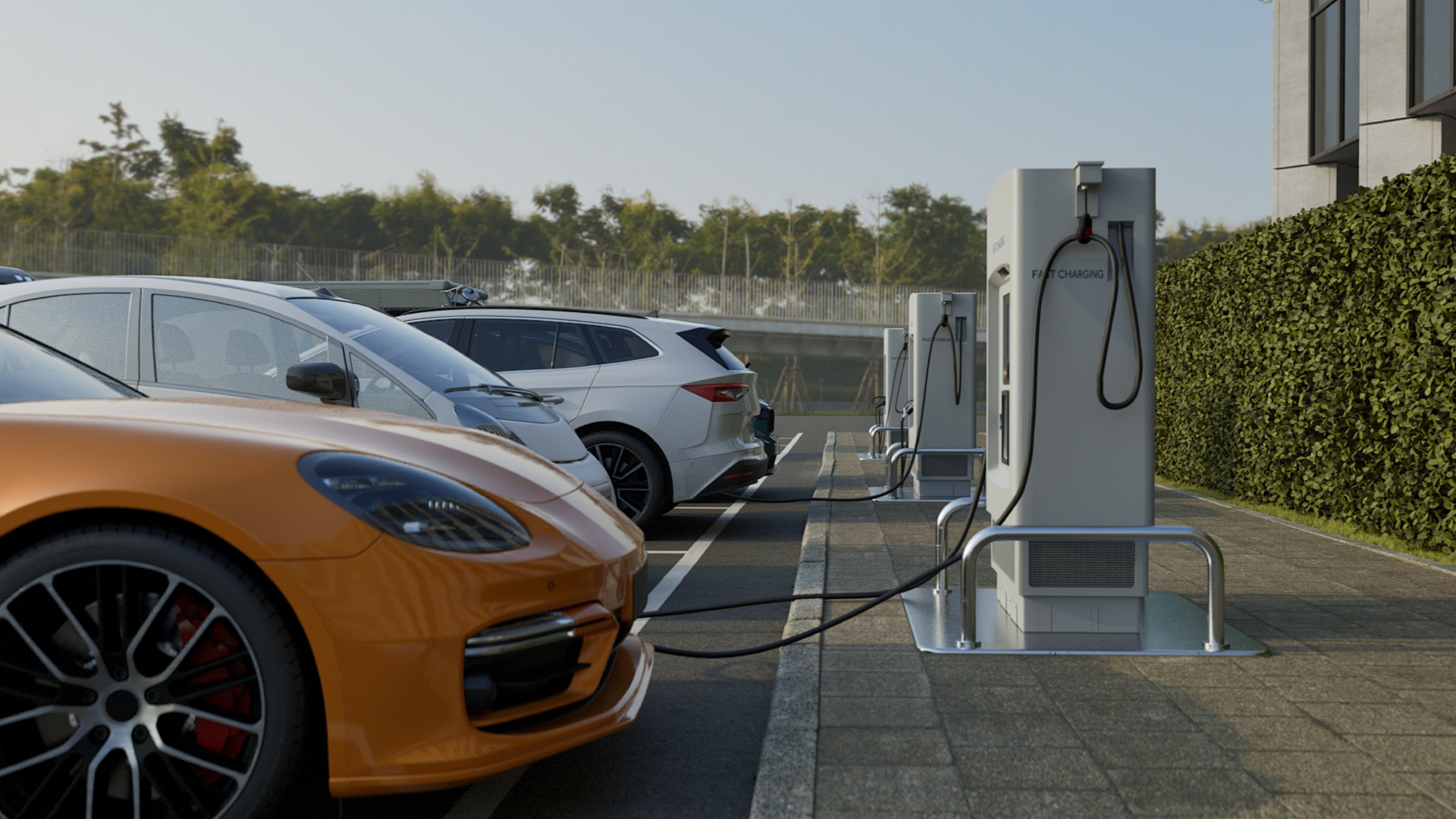
Things to Consider When Charging an Electric Vehicle
Electric vehicles have become one of the key components of sustainable transportation today. With their low operating costs, they are preferred by an increasing number of users each day. However, for electric vehicles to be used safely and efficiently, the charging process must be managed consciously and carefully. This is exactly where the question “How should electric vehicles be charged correctly?” becomes important.
How to Charge an Electric Vehicle and What Should You Pay Attention To?
When charging an electric vehicle, it is essential to select the correct charging method, ensure the safety of the charging infrastructure, and follow charging durations and frequencies that protect battery performance. The use of proper equipment, compliance with recommended charging times, suitable ambient temperature, grid stability, regular maintenance, and safety precautions all play a critical role.
Here are the main points you should pay attention to when charging an electric vehicle:
Use the Appropriate Charger:
Always use certified, compatible charging devices that match your vehicle’s battery technology and charging requirements. Incompatible chargers may negatively impact battery performance.
Follow the Recommended Charging Duration:
Adhere to charging durations suggested by the manufacturer. Excessively long or overly fast charging can reduce the lifespan of the battery.
Consider Environmental Conditions:
Both the vehicle and charging equipment should be at an appropriate temperature during charging. Extremely high or low temperatures may significantly reduce battery performance and efficiency.
Perform Regular Maintenance and Checks:
Charging cables, connectors, and charging units should be regularly inspected. In case of any damage or wear, professional assistance is recommended.
Ensure Grid Stability:
Voltage and current levels of the charging station should be stable. Fluctuations may cause malfunctions in the vehicle's system.
Limit the Use of Fast Charging:
Frequent fast charging may lead to long-term performance degradation in batteries. It should be reserved mainly for emergencies.
Follow Safety Precautions When Charging:
Ensure strong connector engagement, and protect the vehicle and equipment from water, dust, or environmental risks.
Plan and Track Your Charging:
Especially for long trips, plan your charging stops in advance and track charging status via your vehicle’s display or mobile applications.
By paying attention to these fundamental points, you can maximize your vehicle’s performance while ensuring a safe driving experience.
How to Charge an Electric Vehicle to Preserve Battery Life
Electric vehicles are charged by supplying controlled energy at the voltage and current levels suitable for the vehicle's battery, using compatible chargers and infrastructure. As EV adoption increases, charging duration has become an important topic.
Here is the basic procedure for safely charging an electric vehicle:
Open the charging port according to your vehicle’s make and model.
Carefully take the connector from the charging station and plug it into your vehicle’s charging port.
A green light indicates that charging has started successfully.
You can easily track charging duration and battery level via the charging unit’s display.
Once charging is complete, press the button on the connector to stop the electrical flow.
Remove the connector and place it back onto the charging station.
With the right knowledge and careful handling, EV charging is a simple and safe process that enhances performance and ensures driving safety.
Technologies That Enhance Electric Vehicle Charging Experience
Electric vehicle charging systems are designed to charge batteries safely, efficiently, and quickly. They play a crucial role in the widespread adoption and usability of EVs.
Electric vehicles are mainly charged using three types of charging systems:
Type 1 (AC) Charging
Uses single-phase alternating current (AC) via home outlets or low-power charging stations.
This method is practical and economical, often used for overnight charging to provide enough range for daily use.
Type 2 (AC) Charging
Uses three-phase alternating current to provide higher power and shorter charging times.
Found both at home-installed wall boxes and in public stations.
Requires electrical infrastructure compatible with three-phase power.
Type 3 (DC) Fast Charging
Direct current (DC) is delivered straight to the battery at high power.
Available at highway fast-charging points and can charge a vehicle significantly in around 30 minutes.
Ideal for long-distance travel requiring quick energy replenishment.
Charging Methods for Electric Vehicles: Which Option Suits You?
Electric vehicles can be charged using three main methods:
1. Battery Swapping (QuickDrop)
A subscription-based solution where empty batteries are replaced with fully charged ones at dedicated stations within minutes.
2. Wireless Charging
A convenient and safe method where the vehicle is parked over an inductive charging platform—no cable required.
Future applications may enable charging while the vehicle is in motion.
3. Wired Charging
The most common method, categorized into different charging “levels” based on power output and charging speed.
Wired Charging Levels and Their Features
Level 1 (Home Charging)
Uses a standard household outlet (120V).
Provides approximately 6–8 km of range per hour.
Full charge takes 7–29 hours depending on vehicle model.
Level 2 (Normal Charging)
Uses 240–400V power.
Available in public areas or as a home-installed wall box.
Provides 25–40 km of range per hour.
Full charging takes 2–10 hours.
Level 3 (Fast Charging)
Uses high-voltage DC (400–600V).
Provides approximately 65 km of range in 10 minutes.
Full charge can be completed in under 30 minutes.
Found only at fast-charging stations.
A Trusted Choice for Electric Vehicles: Enterprise
Each charging level offers unique advantages depending on your needs and infrastructure.
If you aim to protect the future and reduce carbon emissions, choosing electric vehicle rentals can be a great step forward.
Enterprise enables you to rent the vehicle you want easily with its user-friendly mobile app—whether you need a single car or an entire fleet.
With its professional, solution-oriented approach and strong corporate expertise, Enterprise aims to be your trusted business partner.
By choosing Enterprise for electric vehicle rentals, you can personally experience the peace of mind that comes from contributing to a cleaner environment.