
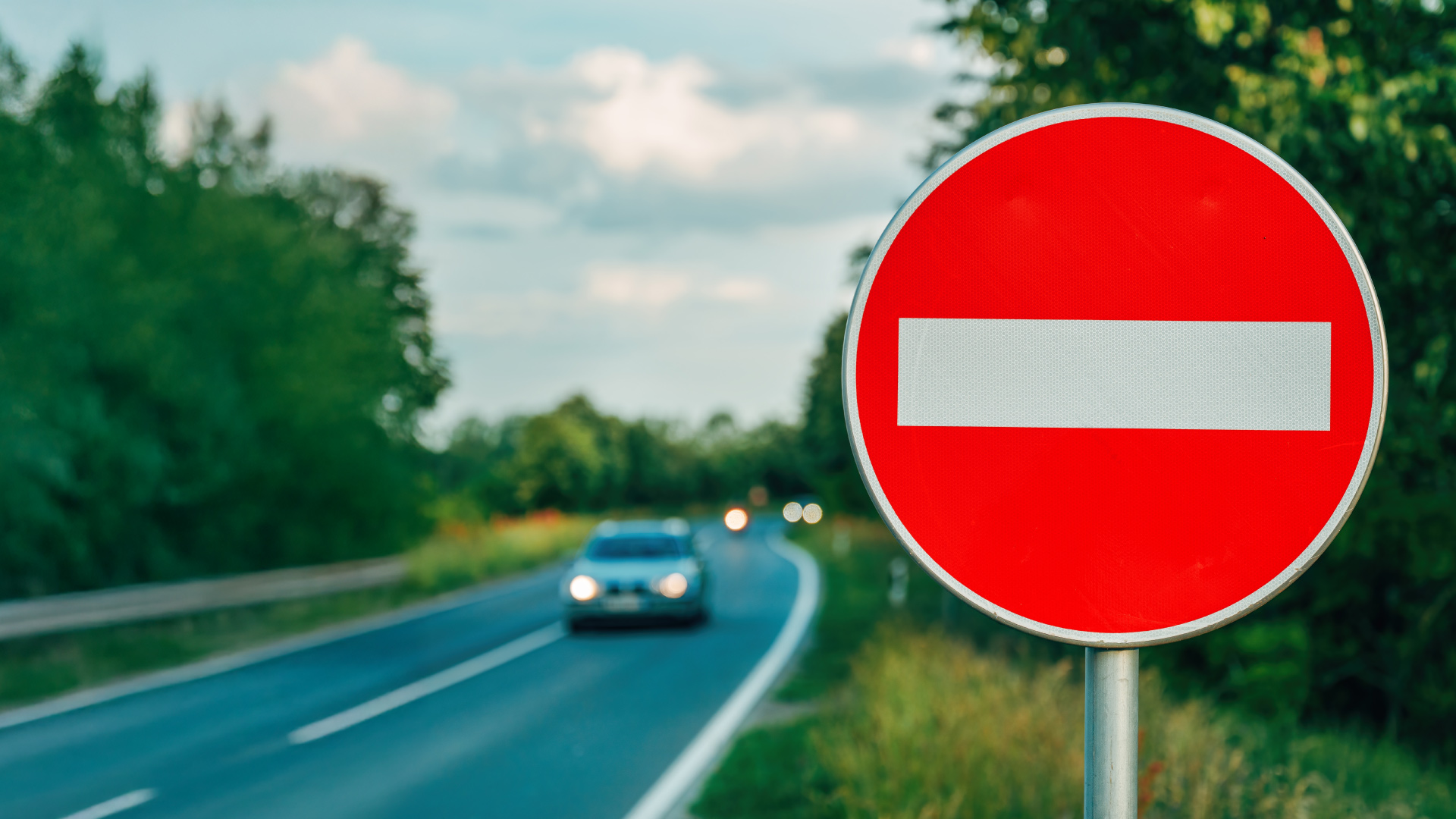
Traffic Signs and Their Meanings
One of the most important elements used to ensure safety and maintain order in traffic is traffic signs. It is essential for every driver to know the meaning of these signs, as this knowledge is vital for their own safety as well as the safety of all road users. Traffic signs serve many different purposes—from simple directions to critical warnings—and help drivers make the right decisions while driving.
When you hit the road, every sign you encounter acts as a guide. Sometimes it alerts you to a potential danger ahead, sometimes it reminds you to adjust your speed, and sometimes it helps you find your route more easily. These signs not only maintain order but also play a crucial role in preventing traffic accidents.
What are traffic signs and why are they important?
Traffic signs are visual warning symbols that provide drivers and pedestrians with information about road and environmental conditions. They indicate road conditions, speed limits, right-of-way rules at intersections, or upcoming hazards, thereby maintaining order in traffic. Each sign helps drivers make the correct decisions and minimizes potential risks.
Consider a “Stop” sign. Although it may seem like a small plate, it is actually a vital warning that prevents major accidents. It ensures that the driver comes to a complete stop before entering an intersection and pays attention to oncoming traffic. This prevents possible collisions.
A speed limit sign is not just a rule restricting your speed—it is also a safety measure that improves road safety. Driving within the specified speed enables drivers to react in time and contributes to smoother traffic flow. Moreover, maintaining the correct speed directly affects fuel consumption, making speed limits important for economical driving habits.
Knowing traffic signs goes far beyond memorizing them to pass the driving test—they become the foundation of safe driving in everyday life. Ignoring or misinterpreting a sign can endanger your life and the safety of others on the road. For this reason, drivers should not only recognize these signs but also fully internalize their meaning.
How are traffic signs classified?
Traffic signs are grouped according to their functions. Each group conveys a different message, and correctly interpreting these messages is essential for safe driving:
Warning signs: Indicate potential hazards on the road. Slippery surface, sharp bends, roadworks, and school crossings fall into this category.
Regulatory signs: Clearly state the rules drivers must follow. Stop signs, no-parking zones, speed limits, and no-overtaking signs are examples.
Informational signs: Provide useful information during your journey. Gas stations, hospitals, parking areas, and hotels are shown with these signs.
Directional signs: Guide you to your destination. These signs point toward city centers, highways, or ring roads.
Parking and stopping signs: Indicate where vehicles may or may not park, playing a crucial role in organizing urban traffic.
Knowing these categories helps you interpret all traffic signs quickly and accurately.
The role of warning signs in driving safety
Warning signs, usually triangular with a red border, inform drivers of upcoming hazards or special conditions that require caution.
For example:
A curve sign warns the driver to reduce speed and prepare for a maneuver.
A slippery road sign can prevent accidents, especially in rainy weather.
A school crossing sign urges drivers to drive carefully in areas with children.
Ignoring these signs may cause drivers to be unprepared and significantly increases accident risk. Therefore, following warning signs is indispensable for safe driving, particularly during long trips.
Regulatory signs and driver responsibilities
Regulatory signs inform drivers about mandatory rules. Speed limit signs, “Yield” signs at intersections, or “No parking” signs at parking entrances are examples of this group.
Failure to comply with these signs not only results in fines but also endangers other drivers’ safety. Exceeding the speed limit may cause loss of vehicle control during sudden braking. Ignoring a “Stop” sign at an intersection can lead to severe collisions.
In short, complying with these signs is not just a legal requirement—it is a personal responsibility for safe driving.
The importance of informational and directional signs
Informational signs help drivers find essential services during their journey. A gas station or rest area sign makes it easier to plan long trips.
Directional signs, typically with a blue background, are especially important on intercity roads. They guide drivers clearly, helping them avoid wrong turns and saving both time and fuel. Their universal design also makes driving in foreign countries easier, showing that these signs act as an international language.
Benefits of knowing traffic signs for drivers
Understanding traffic signs provides several benefits:
Drivers feel more confident, knowing the road conditions ahead.
They adjust their speed accordingly and are better prepared for sudden situations.
They avoid fines by following signs like speed limits and no-parking zones.
Drivers who follow the rules also contribute to overall traffic order.
Over time, knowledge of traffic signs enhances driving skills and helps prevent accidents.
Common mistakes drivers make
Unfortunately, some drivers ignore or misinterpret traffic signs. Not following speed limits is one of the major causes of accidents. Violating “No parking” signs disrupts traffic flow and results in vehicles being towed.
Another frequent mistake is disregarding roadworks or temporary traffic signs. These temporary conditions can catch drivers off guard and increase accident risk.
Therefore, drivers should pay attention not only to permanent signs but also to temporary ones.
Traffic signs guide drivers throughout their journey, ensuring safety and maintaining order. Knowing their meanings reduces the risks you may encounter and enhances your overall driving safety.
To enjoy a safe and mindful driving experience, you should always follow traffic signs and abide by traffic rules. For longer and more comfortable trips, you can choose Enterprise’s vehicle rental services. With Enterprise assurance, you can select the vehicle that suits your needs and enjoy both safety and comfort on the road.