Types of Car Transmissions and Their Differences
When driving a car, the type of transmission is an important factor that has a significant impact on your overall driving experience. The transmission is the system that transfers engine power to the wheels and allows you to control your speed. However, since every driver has a different driving style, choosing the right type of transmission depends on personal preferences and needs. In this article, we will examine the differences between transmission types and the advantages each one offers.
Manual Transmission Types
For many years, manual transmission was the most common type of car gearbox. It allows the driver to manually control the vehicle’s speed and helps keep the engine speed and gear selection in harmony. In manual transmission vehicles, gear changes are made by using the clutch pedal. Manual transmissions are ideal for drivers who want greater control over their driving experience. Here are some key types of manual transmissions:
1. Traditional Manual Transmission
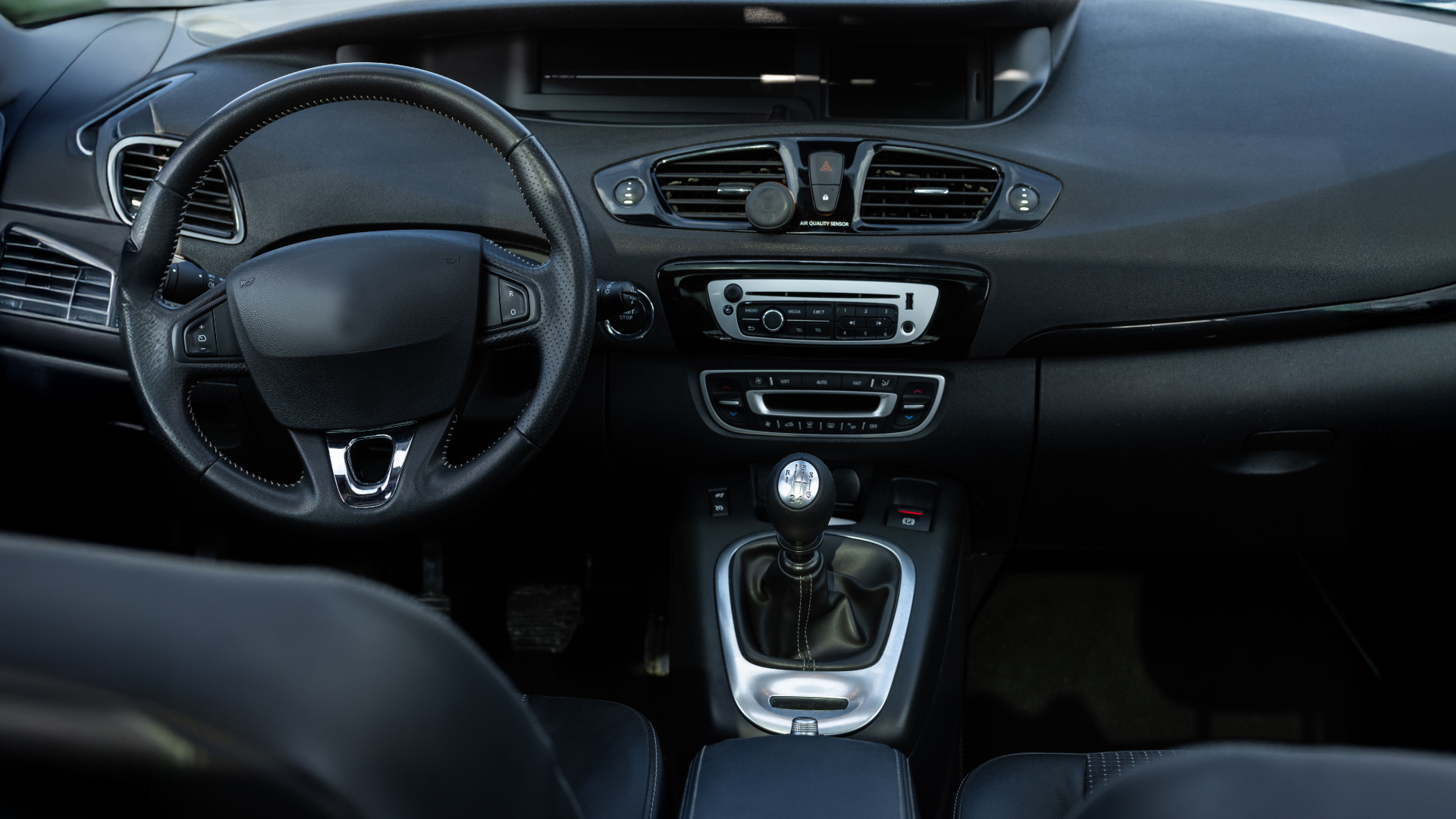
The traditional manual transmission is the classic system where you change gears manually using a gear stick to increase or decrease speed. In this system, pressing the clutch pedal is required when changing gears. Vehicles with traditional manual transmissions provide full control to the driver and are generally more fuel-efficient. However, they can be challenging in city traffic due to frequent clutch use.
2. Advanced Manual Transmission
Advanced manual transmissions are an enhanced version of the traditional manual gearbox and are commonly found in sports and performance vehicles. These systems offer faster gear response and allow more efficient use of engine power. Advanced manual transmissions are especially suitable for driving enthusiasts and those who value performance and driving pleasure.
3. Automated Manual Transmission (Semi-Automatic)
An automated manual transmission combines the control of a manual gearbox with the convenience of an automatic system by eliminating the need to press the clutch pedal. These vehicles offer an easier driving experience than traditional manuals while still giving the driver control over acceleration and gear changes. The system automates clutch operation, making driving more comfortable.
Automatic Transmission Types
Automatic transmissions have become more popular than manual transmissions in recent years. In automatic vehicles, gear changes are handled automatically by the system, without any manual input from the driver. Automatic transmissions improve driving comfort, especially in heavy traffic or during long journeys. Below are some common types of automatic transmissions:
1. Traditional Automatic Transmission (Torque Converter)
This system uses a torque converter to transfer power between the engine and the wheels. It eliminates the need for a clutch and automatically shifts gears. Typically offering four, five, or six gears, traditional automatic transmissions provide a smooth and comfortable driving experience. Fuel consumption can be similar to manual transmissions, though these systems are usually more expensive.
2. CVT (Continuously Variable Transmission)
CVT systems feature continuously changing gear ratios based on vehicle speed. Compared to traditional automatic and manual transmissions, CVTs reduce energy loss and offer excellent fuel efficiency. Gear shifts are extremely smooth because the system continuously optimizes engine power rather than using fixed gear ratios. However, some drivers may find the engine sound unnatural.
3. DCT (Dual-Clutch Transmission)
DCT systems combine the comfort of automatic transmissions with the speed and efficiency of manual gearboxes. They use two clutches—one for odd gears and one for even gears—allowing extremely fast and seamless gear changes. DCTs are commonly used in sports and high-performance vehicles due to their near-instant shifting capability. Their main disadvantage is higher cost compared to traditional automatic systems.
4. AMT (Automated Manual Transmission)
AMT systems merge manual and automatic technologies. While the driver can manually select gears, the clutch operation is automated. AMTs are generally more affordable than traditional automatic transmissions and offer a driving experience similar to manual gearboxes, though gear shifts may feel less smooth.
Comparison of Transmission Types
Both manual and automatic transmissions have their own advantages and disadvantages. The choice depends largely on personal preference and driving needs. Key differences include:
Control: Manual transmissions provide greater control, which can be beneficial on winding roads or uphill driving. Automatic transmissions offer comfort but slightly less direct control.
Fuel Efficiency: Manual vehicles are generally more fuel-efficient, though technological advancements have reduced this gap.
Driving Comfort: Automatic transmissions offer greater comfort, especially in heavy traffic and long-distance driving. Manual gear shifting can become tiring.
Cost: Manual vehicles are usually more affordable, while automatic transmissions compensate with increased comfort and convenience.
Choosing the Right Transmission
Transmission type significantly affects driving experience. Manual transmissions are ideal for drivers who want full control, while automatic transmissions are better suited for those who prioritize comfort. Options like CVT and DCT improve fuel efficiency and driving pleasure, while manual transmissions continue to appeal to drivers who value driving engagement.
Your choice should depend on your driving style, usage habits, and budget. If you frequently drive in heavy traffic, an automatic vehicle may be more practical. If you prefer maximum control and driving involvement, a manual transmission may be the better choice.
Maintenance is another important factor. Manual transmissions generally require less maintenance, while automatic systems can be more complex and costly to maintain. Considering long-term costs will help you make the right decision.
New Transmission Technologies
With advancements in automotive technology, manufacturers continue to develop innovative transmission systems. Hybrid and electric vehicles, for example, often use different transmission structures. Electric vehicles typically use a single-speed transmission, eliminating the need for gear changes and providing smoother and more efficient driving.
Each transmission type offers unique advantages and disadvantages. Choosing the right one depends on your driving habits, comfort expectations, and budget. As technology evolves, transmission systems continue to become more efficient and user-friendly. While automatic transmissions offer modern comfort and ease of use, manual transmissions remain a preferred option for drivers who seek greater control and driving enjoyment.