Everything You Need to Know About Vehicle Inspection
Vehicle inspection is one of the most important procedures that vehicle owners must carry out regularly. Mandatory for ensuring road safety and checking the technical condition of vehicles, the inspection process is often a topic of curiosity and confusion for many drivers. In this guide, you’ll find detailed information on what a vehicle inspection is, inspection fees, inspection stations, appointment procedures, inspection intervals, and penalties for overdue inspections.
What Is a Vehicle Inspection?
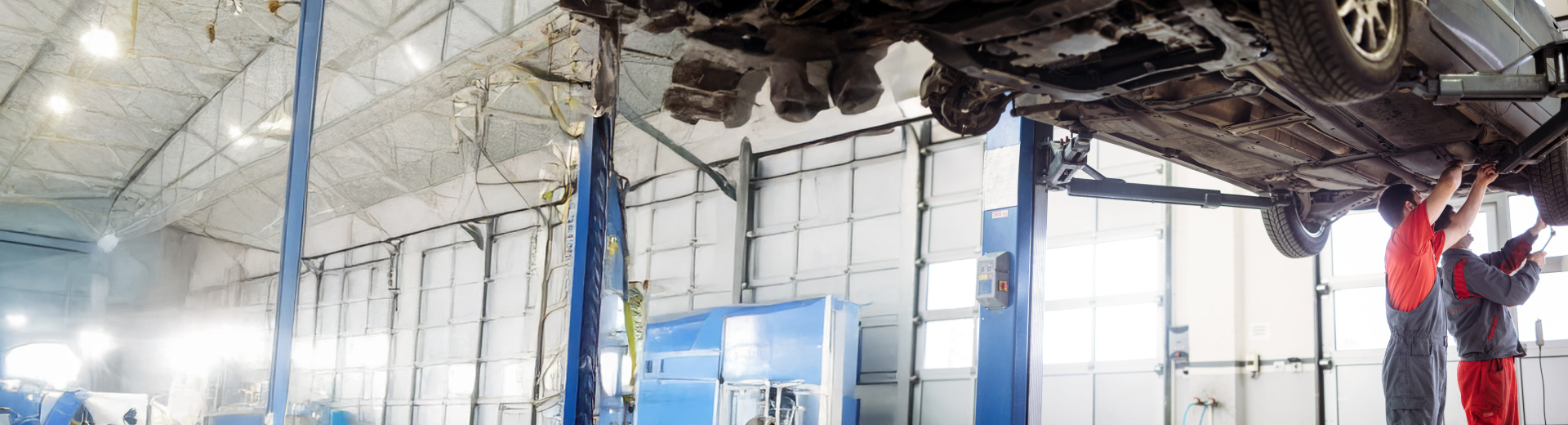
A vehicle inspection is a periodic and official check conducted to evaluate whether a vehicle meets legal and technical standards. During the inspection, trained technicians thoroughly examine the vehicle to detect any issues that may compromise road safety.
The inspection covers critical components such as:
Brake system and brake pads
Tire tread depth and tire condition
Headlights, signals, and other lighting systems
Steering and suspension systems
Exhaust emission levels
Chassis and underbody condition
Safety equipment (seat belts, airbags, etc.)
The main purpose of the inspection is to ensure the safety of drivers and passengers, prevent accidents, and reduce environmental pollution. Regular inspections help identify mechanical issues early and maintain the long-term performance of the vehicle.
Key Components Checked During Inspection
Brake system
Tires
Lighting and signaling equipment
Steering and suspension
Exhaust emissions
Chassis and undercarriage
Safety features
These checks determine whether the vehicle is safe to operate on public roads.
How Much Is the Vehicle Inspection Fee?
Inspection fees vary depending on the type and class of the vehicle. As of 2025, the average inspection fees are:
Tractors, motorcycles, scooters: 1,334.40 TL
Passenger cars, vans, SUVs, light commercial vehicles, trailers: 2,620.80 TL
Buses, trucks, tankers, and heavy-duty vehicles: 3,543.60 TL
Fees may vary slightly by region or station. Exhaust emission testing is often included.
Payment Methods
Online credit card payment during the appointment
On-site cash payment at certain stations
Early payment discounts may be available via online systems
Where Are Vehicle Inspection Stations Located?
In Türkiye, all authorized vehicle inspection stations operate under TÜVTÜRK, the official body responsible for inspection services. With over 200 stations nationwide, TÜVTÜRK provides widespread and accessible inspection services.
How to Find a Station
Visit TÜVTÜRK’s official website
Search by province or district
Choose the station and available times when booking an appointment
How to Book a Vehicle Inspection Appointment
Booking an inspection appointment is simple:
Visit the TÜVTÜRK website or mobile app
Enter your license plate number and registration details
Select an available date and time
Pay the inspection fee online (optional)
Receive confirmation via SMS or email
Scheduling on time is crucial, as delays may result in penalties.
How Often Should a Vehicle Be Inspected?
Inspection intervals depend on the type and age of the vehicle:
Passenger cars: First inspection at 3 years, then every 2 years
Commercial vehicles: First at 2 years, then annually
Heavy-duty vehicles: Annually
Motorcycles: First inspection at 3 years, then every 2 years
Older vehicles may require more frequent inspections (e.g., annually for vehicles older than 10 years).
Penalties for Missing Vehicle Inspection
Drivers who fail to complete their inspection on time face penalties, including:
2,168 TL fine for driving without a valid inspection
Potential traffic ban until inspection is completed
The penalty does not add penalty points but affects roadworthiness
When Does the Penalty Appear in the System?
The system automatically tracks overdue vehicles. Once the inspection period expires, the penalty is issued and delivered by mail. Penalties can also be checked via e-Devlet or the Revenue Administration website.
Important Tips Before Inspection
Check tire pressure, brakes, lights, and fluid levels beforehand
Ensure your exhaust emission test is valid
Arrive at the station at least 15 minutes before your appointment
Bring all required documents (vehicle registration, driver ID, insurance)
Regular maintenance ahead of inspection prevents failure and ensures a smooth process.
Why Vehicle Inspection Matters
Vehicle inspection is not only a legal requirement but also essential for road safety. Delayed inspections may result in fines, vehicle bans, and increased safety risks. Identifying mechanical issues early helps prevent accidents and extends the life of your vehicle.
Enterprise: Safe and Reliable Vehicles Ready for the Road
At Enterprise, all rental vehicles undergo rigorous maintenance and periodic inspection procedures. This ensures that every vehicle in our fleet meets safety and performance standards. When renting with Enterprise, you can travel confidently without worrying about inspection or technical issues. For more information and to explore vehicle rental options, visit Enterprise’s official website.