What Do Vehicle Warning Lights Mean?
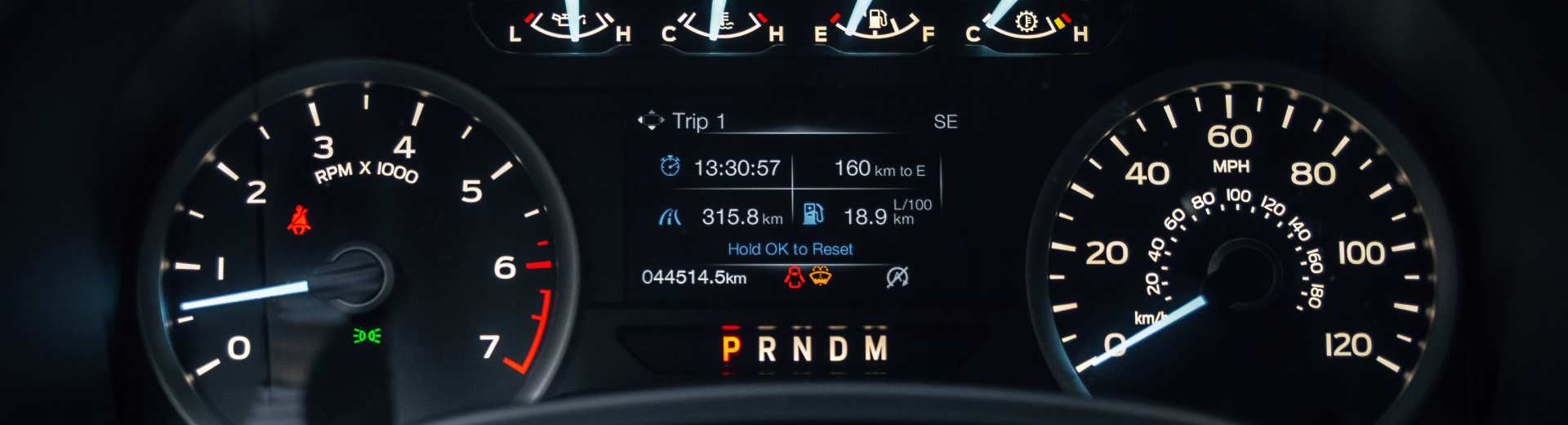
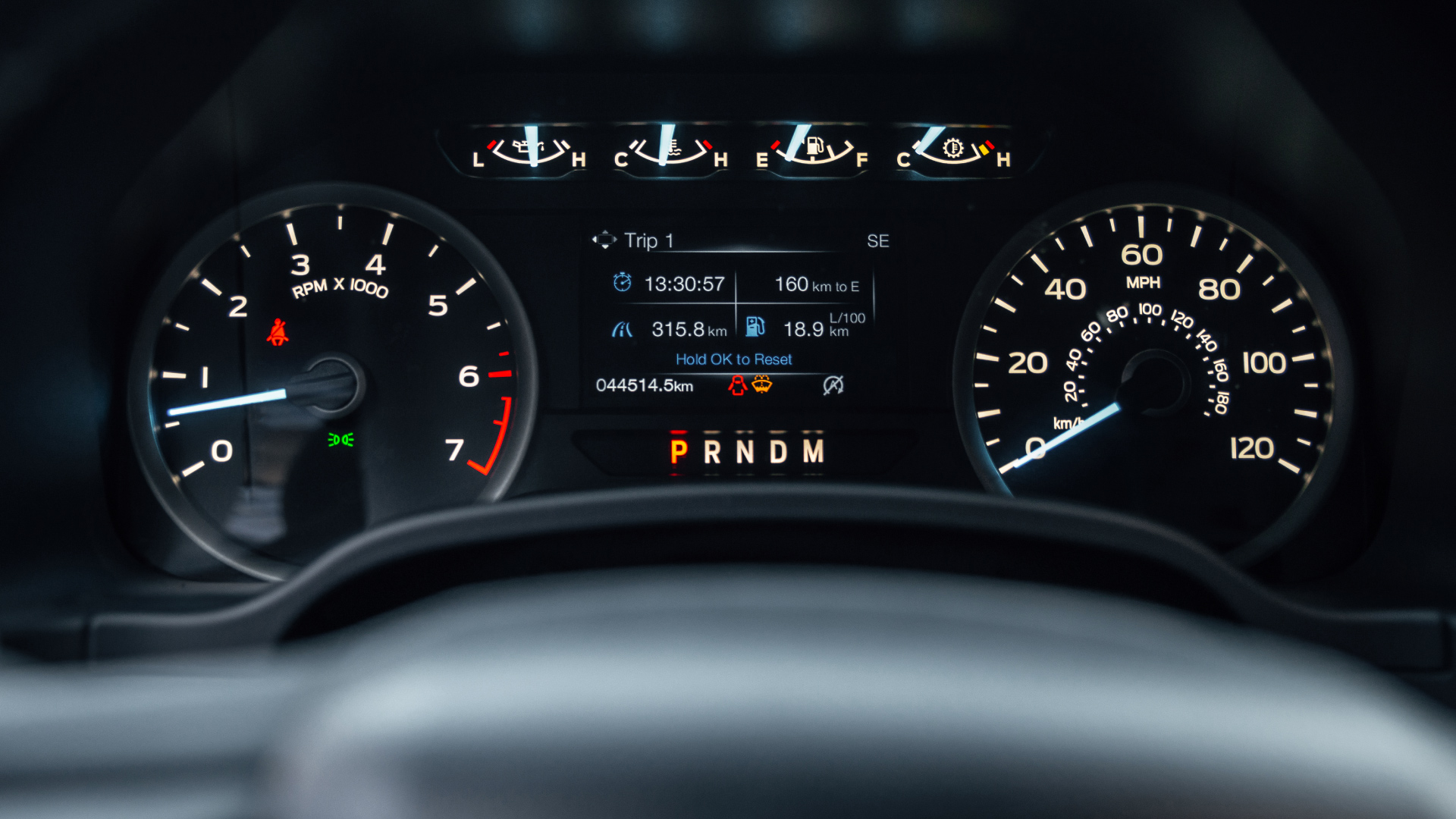
The symbols that appear on your dashboard while driving are not merely distracting icons — they provide essential information about the condition of your vehicle. Most of these indicators are designed to protect driver and passenger safety. Especially during long trips or challenging weather conditions, knowing what these warning lights mean is critically important.
What Are Warning Lights and What Do They Mean?
Understanding vehicle warning lights and their meanings is essential for drivers to act responsibly. These indicators can signal everything from technical malfunctions to simple reminders. Systems such as oil pressure, engine temperature, brakes, tire pressure, and more communicate with you through these lights.
Being familiar with warning lights not only prevents small issues from turning into major problems but also reduces the risk of being stranded on the road.
Modern vehicles are equipped with dozens of sensor-based warning lights. When a fault is detected, the system immediately notifies the driver. However, many drivers overlook these lights — even though these early alerts are the vehicle’s way of telling you something is wrong. With timely intervention, both vehicle health and road safety can be maintained.
How Should Warning Lights Be Evaluated Based on Their Colors?
Warning lights are categorized not only by their symbols but also by their colors — typically red, yellow (amber), and green.
Red Warning Lights: Critical Alerts
Red lights indicate serious issues requiring immediate action. Examples include:
Low oil pressure
Brake system malfunction
Electrical/charging or battery faults
If a red light appears, you should stop the vehicle safely and seek professional assistance immediately.
Yellow (Amber) Warning Lights: Caution Required
Yellow lights signal that a system is still functioning but needs attention soon. Examples:
Low fuel
Tire pressure warning
Check engine light
Although not immediately dangerous, ignoring yellow alerts can lead to more serious problems.
Green or Blue Lights: Information Only
These lights simply show that a system is active, such as:
High beams (blue)
Turn signals or cruise control (green)
Understanding warning light colors helps prevent panic and ensures the driver takes the right action at the right time.
The Most Common Vehicle Warning Lights and Their Effects
Some of the most frequently encountered dashboard warning lights include:
Check engine light
Battery/charging warning
ABS warning
Airbag system warning
Oil pressure warning
Brake system warning
Each signals an issue that may directly affect vehicle performance or safety. For example, a check engine light often indicates reduced engine performance, increased fuel consumption, or unstable emissions. Ignoring it may lead to costly repairs.
A battery warning light suggests a charging system failure — the vehicle may soon fail to start. Airbag warnings indicate that safety systems may not deploy in an accident, making immediate service intervention necessary.
Understanding these lights gives drivers a practical safety advantage.
How Do Seasonal Conditions Affect Warning Lights?
Extreme weather conditions can cause warning lights to appear more frequently.
In Winter:
Motor oil thickens
Battery performance declines
Tire pressure drops
These issues may trigger various dashboard warnings.
In Summer:
Engine overheating
AC system overload
Coolant-related alerts
If seasonal maintenance is skipped, warning lights become more common. Knowing how weather affects these systems helps drivers stay prepared and prevents unexpected breakdowns.
What Happens If Warning Lights Are Ignored?
Ignoring warning lights can turn a minor issue into a major mechanical failure.
Especially red warning lights must never be dismissed. Problems such as:
Critically low oil pressure
Brake fluid loss
Engine overheating
…can lead to catastrophic engine or brake damage.
Even yellow warning lights, although not urgent, indicate developing issues that could become costly if neglected. Checking the dashboard at every start-up and reacting promptly to unusual warnings is a vital driving habit that protects both you and other road users.
Learn Your Vehicle’s Language: Understanding the Dashboard
The dashboard is your vehicle’s communication interface. Every symbol has meaning and helps ensure a safe driving experience.
Being knowledgeable about vehicle warning lights and their meanings allows you to prevent unexpected breakdowns, take timely action, and avoid potential accidents. For unclear symbols, consult your owner’s manual, manufacturer resources, or a certified technician.
Modern vehicles are equipped with advanced electronic systems — and the dashboard is the control center for these systems. Knowing how to “read” it is essential for safe driving.
Choose Safety in Every Journey with Enterprise
Correctly interpreting your vehicle’s warning lights improves your safety — but when planning a trip, you may prefer the convenience of a reliable, professionally maintained rental car.
Enterprise performs regular scheduled maintenance on all vehicles and ensures all dashboard indicators and systems are fully functional. This allows you to enjoy a comfortable, worry-free driving experience without unexpected issues.
If you want to hit the road in a safe, well-maintained, and ready-to-drive vehicle, you can rely on Enterprise’s rental services and drive with complete peace of mind.