What Is Periodic Maintenance?
Your vehicle may seem to make the same sound every day. Yet over time, subtle changes occur. The idle may fluctuate slightly, the brake pedal may not feel the same, and fuel consumption may gradually increase. Detecting this early starts with understanding what periodic maintenance is. Regular maintenance is a structured inspection system carried out before a malfunction occurs. To keep your vehicle stable for a long time, this system needs to become a habit. Periodic maintenance is not just about booking a service appointment—it represents a plan for safe driving.
Why Is Periodic Maintenance Important?
Periodic maintenance refers to checking your vehicle at the intervals specified by the manufacturer, reviewing critical components, and replacing them if necessary. It differs from a “fix it when it breaks” approach. The goal is to reduce risk before a problem arises. This perspective becomes even more important for vehicles heavily used in city traffic. In short, periodic maintenance is a systematic control process that extends the lifespan of your vehicle.
Why Does Regular Maintenance Become a Habit?
A car is not made up of a single part. The engine, brakes, suspension, cooling system, and electrical system all work together. When one system weakens, it can affect the others. Regular maintenance breaks this chain early. Driving comfort also benefits from this process. Cabin noises decrease, and the vehicle behaves more steadily. Therefore, periodic maintenance is directly related to everyday driving comfort.
When and How Often Should Periodic Maintenance Be Performed?
Maintenance intervals vary from vehicle to vehicle. For most passenger cars, the manufacturer’s plan is typically between 10,000–15,000 km. In some cases, time is a more decisive factor, and a “once a year” approach is recommended. Even if your vehicle is used infrequently, oil, fluids, and filters age over time. So beyond understanding what periodic maintenance is, it is also important to ask: “What should my maintenance interval be based on my driving habits?”
If you frequently drive short distances, experience heavy traffic, make frequent stops, or drive on hilly routes, maintenance may be required sooner. When you recognize potential issues early, maintenance costs are less likely to become a surprise—making periodic maintenance part of smart budget planning as well.
Signs Your Vehicle Needs Maintenance
Some vehicles give clear signals: warning lights increase, braking distance feels longer, or the engine sounds harsher. Other signs are more subtle. The air conditioning may not cool as effectively, the steering may feel heavier at low speeds, or fuel consumption may rise. In such moments, periodic maintenance becomes a practical necessity.
What Is Done During Periodic Maintenance?
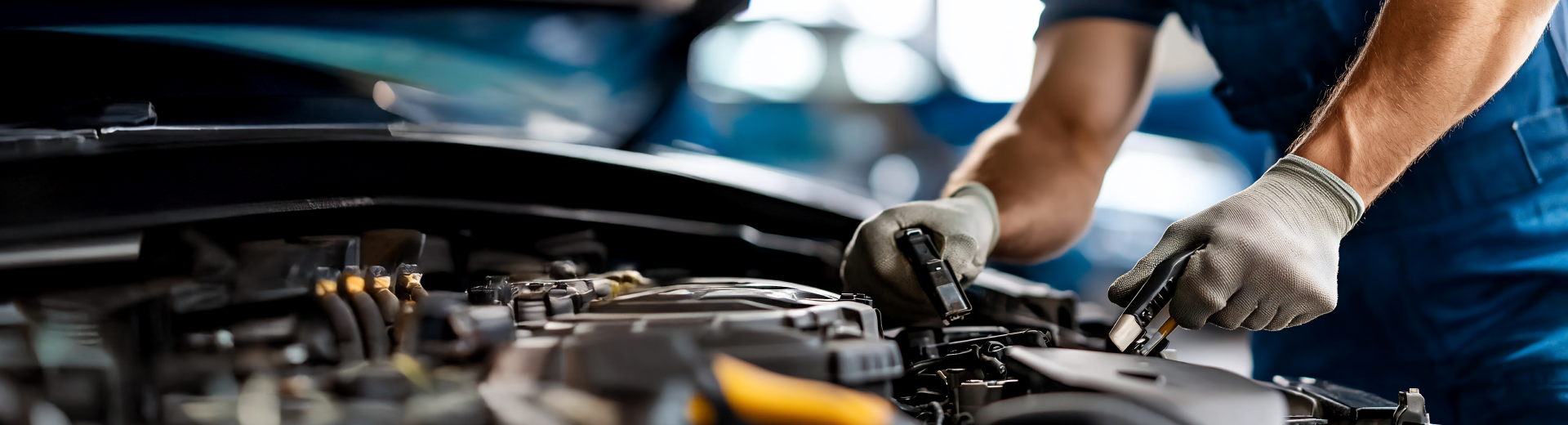
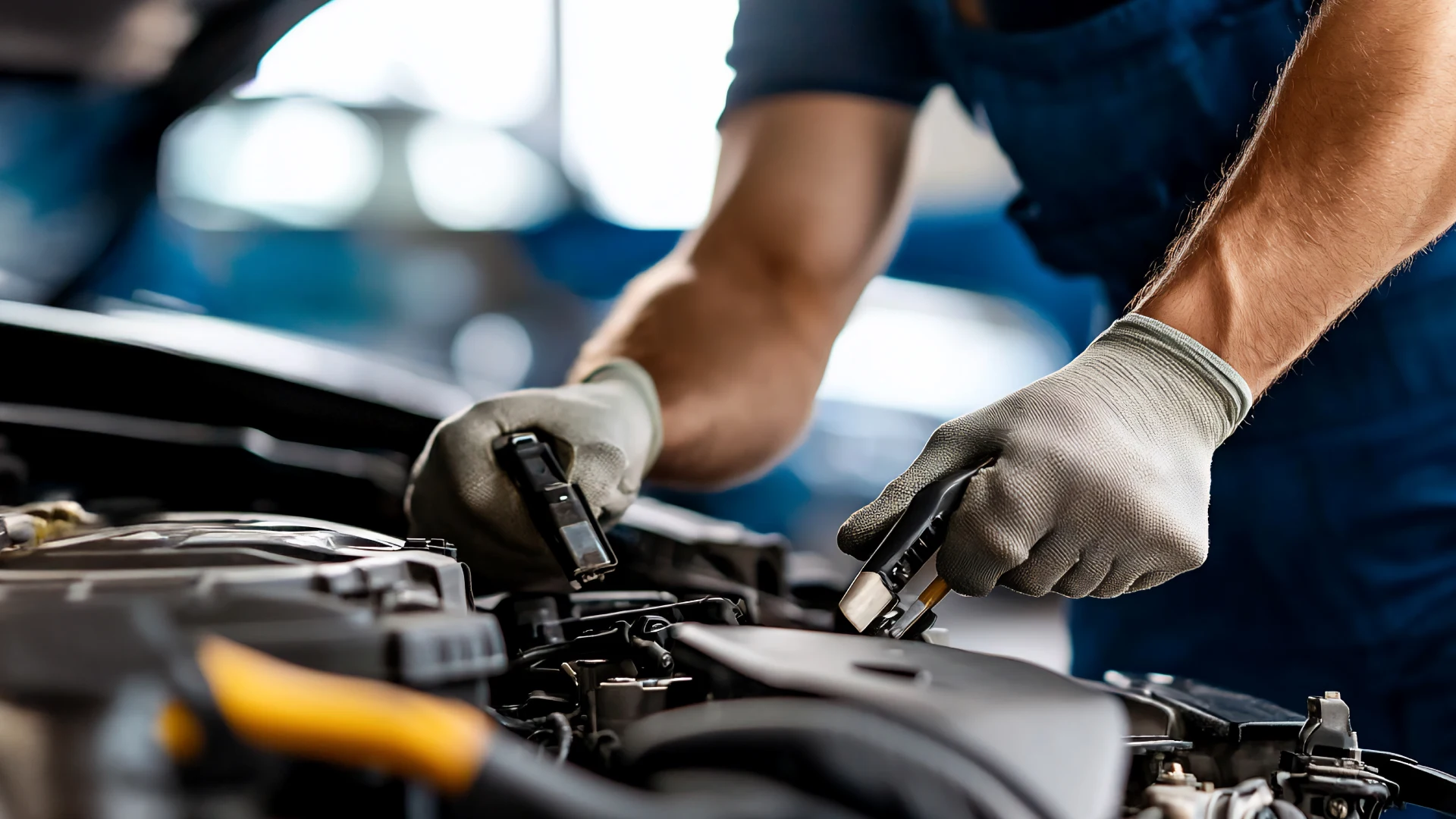
There is no single checklist that applies to every vehicle. However, drivers often ask: what gets replaced during periodic maintenance? The core framework usually revolves around oil and filters. Engine oil is renewed regularly. The oil filter, air filter, and cabin filter affect performance and air quality. The brake system, tire condition, and battery performance are also inspected. As mileage increases, the scope of maintenance expands. The answer to what periodic maintenance includes varies according to the vehicle’s age.
What Is a Vehicle Maintenance Checklist For?
Every vehicle has a manufacturer-defined plan outlining which parts should be checked at specific mileage intervals. This plan is commonly referred to as the vehicle’s periodic maintenance checklist. Following it reduces the risk of unnecessary replacements while ensuring critical components are not overlooked. A structured maintenance routine protects both your safety and your time.
The Difference Between Maintenance and Inspection
A technical inspection determines whether a vehicle is roadworthy. Maintenance focuses on ensuring the vehicle continues to operate efficiently and reliably. A vehicle that passes inspection is not necessarily well-maintained. Understanding this distinction prevents confusion between the two.
The Impact of City Driving
Vehicles experience greater strain in city driving. Frequent stops, short distances, sudden acceleration, and braking increase wear. This cycle puts pressure on brake pads and engine oil performance. For urban drivers, maintenance becomes a more frequent consideration. If you use your vehicle daily for work, tracking maintenance by both mileage and time is advisable.
Maintenance for Long-Distance Driving
On highways, engines operate more steadily. However, tires, suspension, and the cooling system become more critical. Long-distance drivers quickly notice vibrations or sensitivity to crosswinds. These signals indicate the need for early checks. In such cases, maintenance means completing safety measures before setting out.
Seasonal Effects and Maintenance Advantages
Before summer, the cooling system, air conditioning performance, and fluid levels require attention. Before winter, the battery, tires, and antifreeze become priorities. Seasonal checks help prepare the vehicle against unexpected issues. Periodic maintenance is not only about mileage—it also involves climate considerations.
The Relationship Between Maintenance and Fuel Consumption
Clean filters allow the engine to run more efficiently. Old oil increases friction and strains the engine. Irregular system performance raises fuel consumption. After maintenance, many drivers notice improved responsiveness. For those focused on fuel savings, periodic maintenance is essential.
What Happens If Maintenance Is Delayed?
Delaying maintenance can make problems harder to resolve. A malfunction in one component may affect another. For example, a cooling issue can increase engine temperature, reduce performance, and cause long-term damage. If the brake system is not checked on time, stopping distance may increase. Small neglect can turn into significant expense.
The Effect on Resale Value
Maintenance records significantly impact second-hand vehicle value. Buyers want to see the vehicle’s service history. Regularly maintained vehicles inspire confidence and sell faster. In this sense, periodic maintenance also protects your vehicle’s long-term value.
Maintenance Logic in Electric and Hybrid Vehicles
The concept of periodic maintenance naturally differs by vehicle type. Electric vehicles do not require engine oil changes like traditional cars. However, battery cooling systems, braking systems, and software updates become priorities. Hybrid vehicles combine two systems, resulting in a different maintenance plan.
Simple Daily Checks Drivers Can Perform
Periodic maintenance is not limited to service visits. Drivers can support vehicle health through small daily checks—monitoring tire pressure, paying attention to warning lights, and checking fluid levels. These simple habits make the overall maintenance process more efficient.
Periodic Maintenance Is Not Just a Routine—It Is a Safety Standard
If you expect consistent performance from your vehicle every day, you cannot leave it to chance. Regular inspections, timely part replacements, and attention to driving signals make a long-term difference. Periodic maintenance is more than a definition—it is a roadmap for safer driving, lower costs, and balanced performance.
How Enterprise Makes the Maintenance Process Easier
Planning maintenance takes time. Finding the right service center, scheduling appointments, and dealing with the possibility of being without a vehicle can be exhausting. Enterprise simplifies this process by offering solutions that provide a more comfortable driving experience.
With Enterprise car rental options, you start your journey with vehicles whose maintenance has already been completed. This approach removes the burden of worrying about periodic maintenance from your daily routine and allows you to focus solely on the road ahead.