What Is Tire Pressure, What Should Tire Pressure Be, and How Is It Checked?
The only part of your vehicle that comes into contact with the road is the tires. For this reason, when driving safety is concerned, one of the first questions that comes to mind is always what should tire pressure be? Properly adjusted tire pressure sharpens steering response, shortens braking distance, and helps maintain balanced fuel consumption. Incorrect pressure, on the other hand, often goes unnoticed and gradually becomes a safety risk. In this article, we clearly explain what tire pressure is, which values should be considered, warning signs to watch for, and practical ways to check it.
What Does Tire Pressure Mean?
The question of what tire pressure should be refers to the force that the air inside the tire applies to the tire surface. This force determines how much of the tire is in contact with the road. As the contact area increases, friction rises; as it decreases, road grip weakens. When this balance is disrupted, the vehicle becomes harder to control. Tire pressure is not just a technical setting—it is a fundamental factor that directly affects driving behavior.
Low pressure strains the tire sidewalls and causes uneven wear on the shoulders. High pressure, on the other hand, wears out the center of the tire and reduces road contact. In both cases, driving feel changes and once again raises the question of what tire pressure should be.
What Should Tire Pressure Be? Where Should You Look First?
There is no single universal answer to the question of what tire pressure should be. The correct value depends on the vehicle model, tire size, and usage conditions. For most passenger cars, the recommended range is typically between 30 and 35 PSI. However, this is only a general guideline. The most accurate information can be found on the label located on the inside of the driver’s door or near the fuel cap.
This label provides different values for unloaded and fully loaded conditions. Therefore, the answer to what tire pressure should be must always be based on this reference.
How to Read the Tire Pressure Chart
At first glance, the tire pressure chart on a vehicle may seem complicated. However, by paying attention to a few details, it becomes easy to determine what tire pressure should be. First, make sure the tire size listed matches the tires on the vehicle. Then assess the current usage condition—whether the car is empty or carrying passengers and luggage. Finally, check whether separate values are provided for front and rear tires.
By following these steps, reaching the correct pressure setting becomes straightforward.
Why Is Correct Tire Pressure So Important?
Tire pressure creates a direct link between safety and fuel efficiency. According to data shared by the U.S. Environmental Protection Agency (EPA), underinflated tires increase fuel consumption by an average of 0.2%, and fuel efficiency worsens with every 1 PSI drop in pressure. The same source notes that maintaining proper tire pressure can improve fuel efficiency by up to 3%.
This clearly shows that the question of what tire pressure should be is not only about safety, but also about budget management.
What Does the Tire Pressure Warning Light Indicate?
When the tire pressure warning light illuminates on the dashboard, it indicates that the system has detected a pressure drop in one or more tires. When this light comes on, the vehicle should be checked at a safe location as soon as possible without stressing the car. In many cases, a simple adjustment resolves the issue. The warning light effectively reminds the driver to revisit the question of what tire pressure should be and prevents a minor issue from becoming a serious one.
How Do Seasons Affect Tire Pressure?
Air temperature directly affects the density of the air inside tires. In summer, as asphalt heats up, the air inside the tire expands and pressure readings may appear higher. For this reason, pressure adjustments should always be made when the tires are cold, before driving.
In winter, the opposite occurs. Cold air lowers tire pressure, often requiring a small increase to reach the recommended values. Understanding this seasonal difference helps provide the correct answer to what tire pressure should be throughout the year.
How Is Tire Pressure Checked?
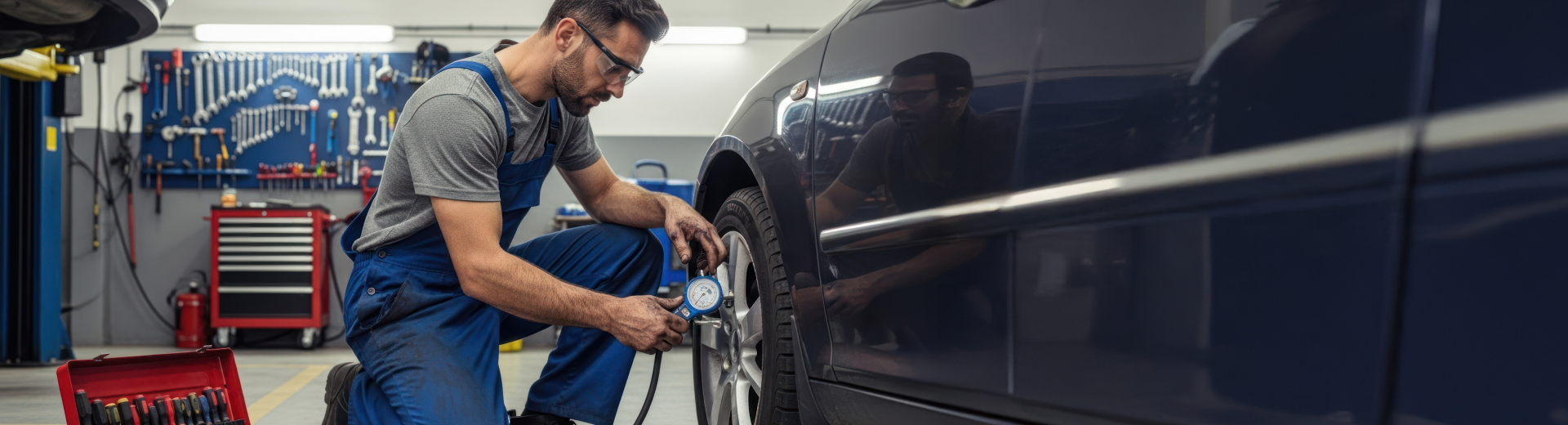
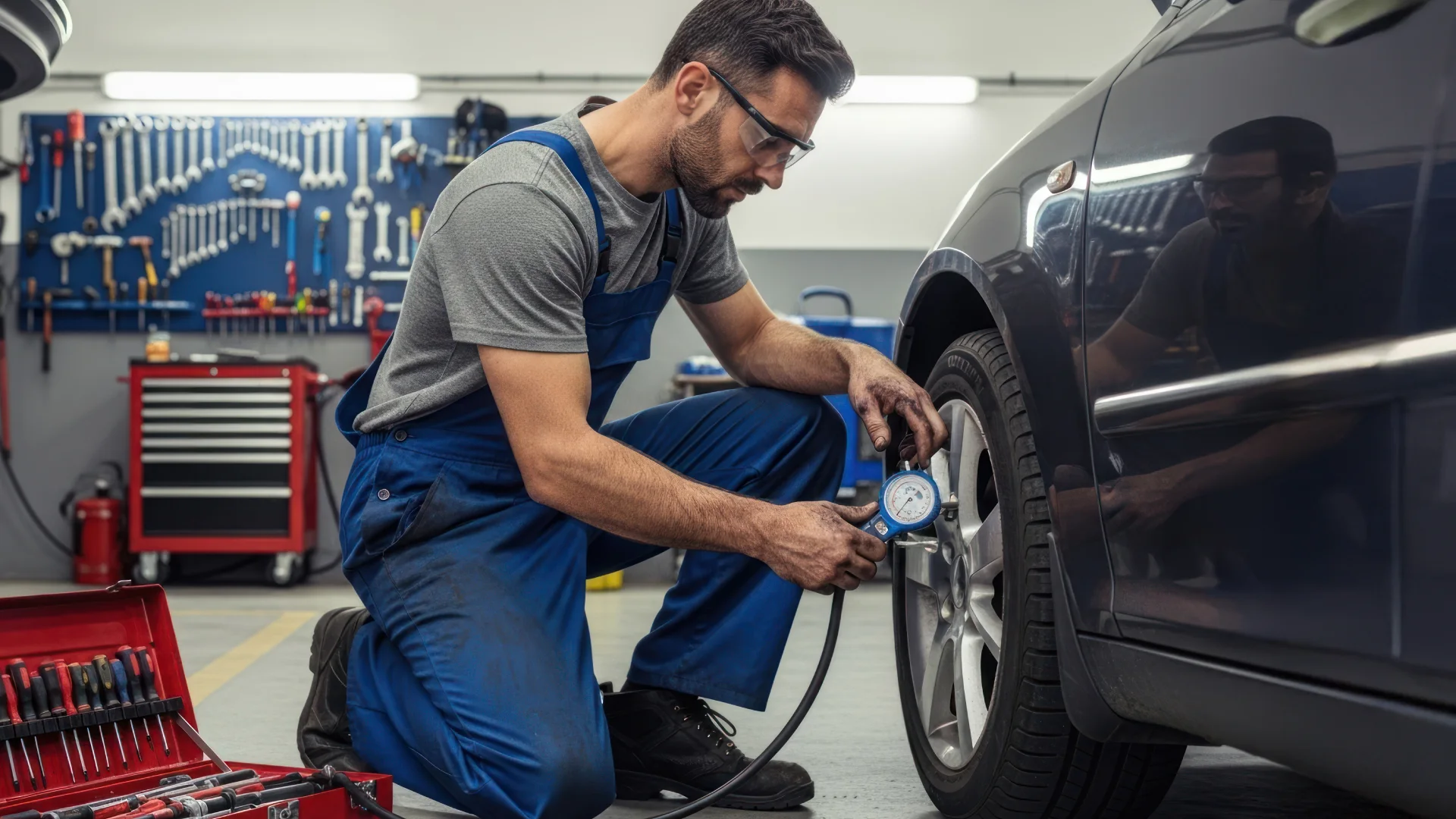
Checking tire pressure is simple, but it should be done regularly. Park the vehicle on a flat surface and measure the pressure with a gauge while the tires are cold. Compare the reading with the value on the manufacturer’s label and adjust if necessary. The process takes only a few minutes but makes a significant difference in driving safety.
How Does Incorrect Tire Pressure Feel While Driving?
Improperly inflated tires often make themselves known during driving. Steering response may feel weak, the vehicle may wander on the road, braking distance can increase, and uneven tire wear may appear. When these symptoms occur, the first thing to check is once again what tire pressure should be.
Tire Pressure in City Driving vs. Long-Distance Travel
In city driving with frequent stop-and-go traffic, tires heat up more quickly and pressure can change in a short time. For urban use, determining what tire pressure should be requires measuring early in the morning while the tires are cold. This provides the most accurate result and ensures more stable steering response.
On long journeys, load condition and sustained speed become more important. If the trunk is full or the vehicle is fully loaded, the question of what tire pressure should be must be answered according to the “loaded vehicle” values listed on the manufacturer’s label. Proper pressure improves road holding and prevents excessive tire heat buildup.
Why Does Tire Pressure Vary by Vehicle Type?
Since not all vehicles have the same weight or suspension structure, tire pressure cannot be standardized. Small city cars operate efficiently at lower pressures, while SUVs and commercial vehicles require higher values. Therefore, the question of what tire pressure should be must always be evaluated based on the vehicle class.
In electric and hybrid vehicles, tire pressure becomes even more critical due to battery weight. Incorrect pressure can directly affect driving range. As a result, in electric and hybrid vehicles, what tire pressure should be is a key factor for both safety and efficiency.
Load Conditions and Long-Distance Adjustments
When a vehicle is fully loaded or preparing for a long trip, the load carried by the tires increases. In such cases, the “loaded use” values specified on the manufacturer’s label should be followed. Different values for front and rear tires ensure that the tires carry the load without excessive strain. Without proper adjustment, rear tires in particular may overheat and wear unevenly. This makes the question of what tire pressure should be especially important.
Tire Pressure and Tire Lifespan
According to the European Tyre and Rubber Manufacturers’ Association (ETRMA), maintaining correct tire pressure can extend tire life by up to 20%. This has a direct impact on maintenance costs. In other words, pressure adjustment is not only a safety issue but also a long-term cost consideration.
Is Manual Checking Still Necessary If You Have Sensors?
Modern vehicles are equipped with tire pressure monitoring sensors. While these systems alert the driver, they do not eliminate the need for manual checks. Sensor malfunctions or calibration differences may occur. For this reason, checking tire pressure once a month remains essential even with sensors in place.
The Relationship Between Driving Habits and Tire Pressure
Aggressive driving, rapid acceleration, and hard braking cause tires to heat up more quickly. Increased heat leads to greater pressure fluctuations. A smoother driving style helps keep tire pressure more stable. Therefore, the question of what tire pressure should be is influenced not only by technical factors but also by driving habits.
Balanced Driving Starts with Proper Tire Use
Tire pressure is the primary setting that determines how a vehicle interacts with the road. Correct pressure sharpens handling, reduces fuel consumption, and extends tire life. For this reason, what tire pressure should be is a question every driver should regularly ask.
Safe Journeys with Enterprise
Driving is not limited to the moments behind the wheel. Maintenance, inspections, and good habits make the entire journey safer. Enterprise provides drivers with well-maintained, thoroughly inspected vehicles through its fleet management and car rental solutions. When you choose Enterprise, you set off with vehicles that have undergone tire and safety checks, allowing you to enjoy a more planned and secure driving experience.